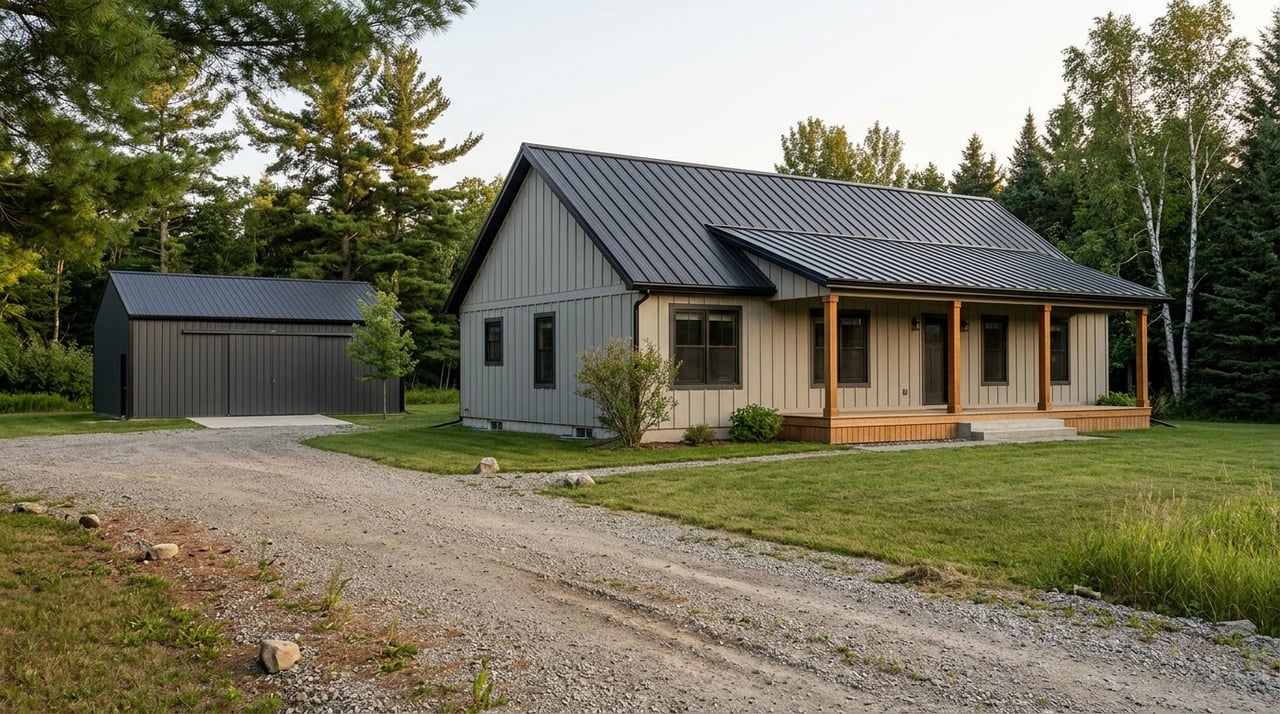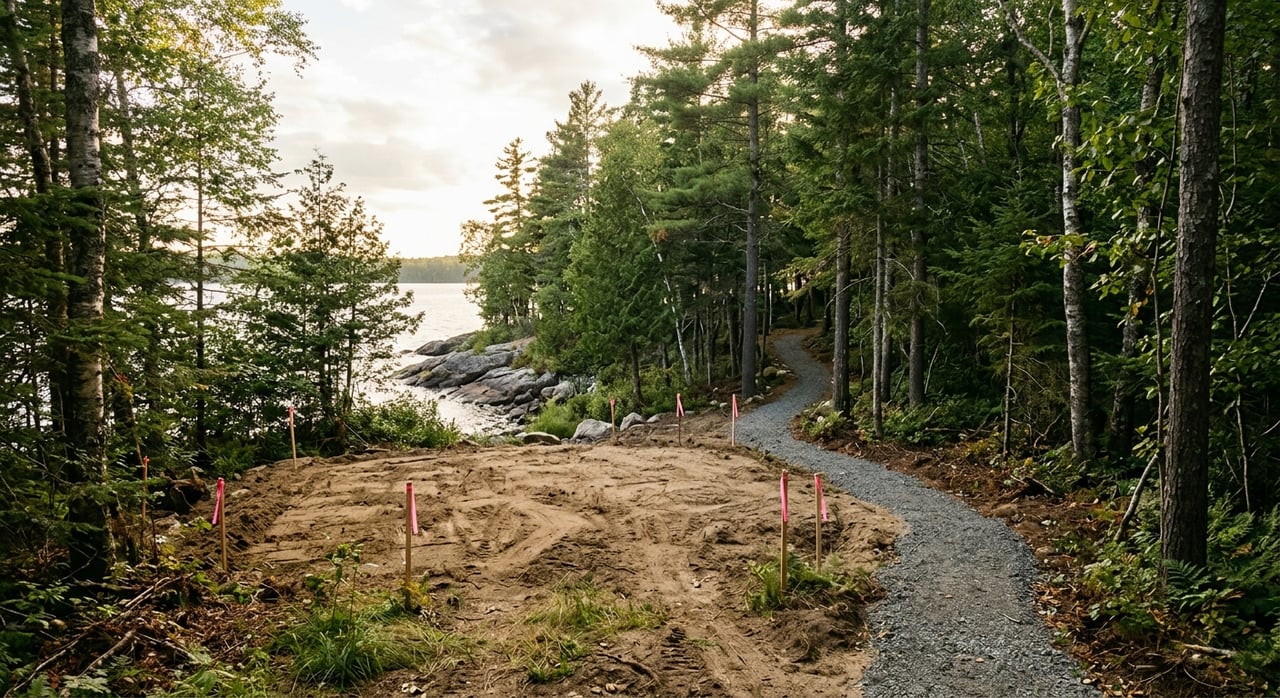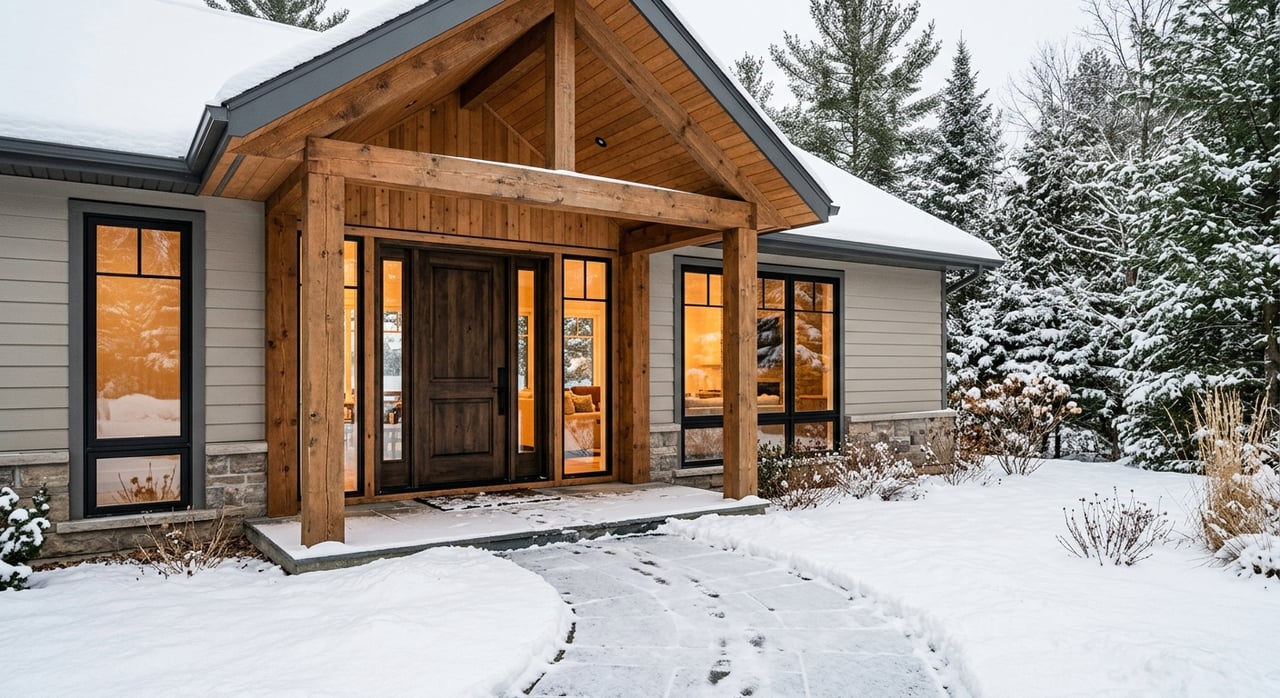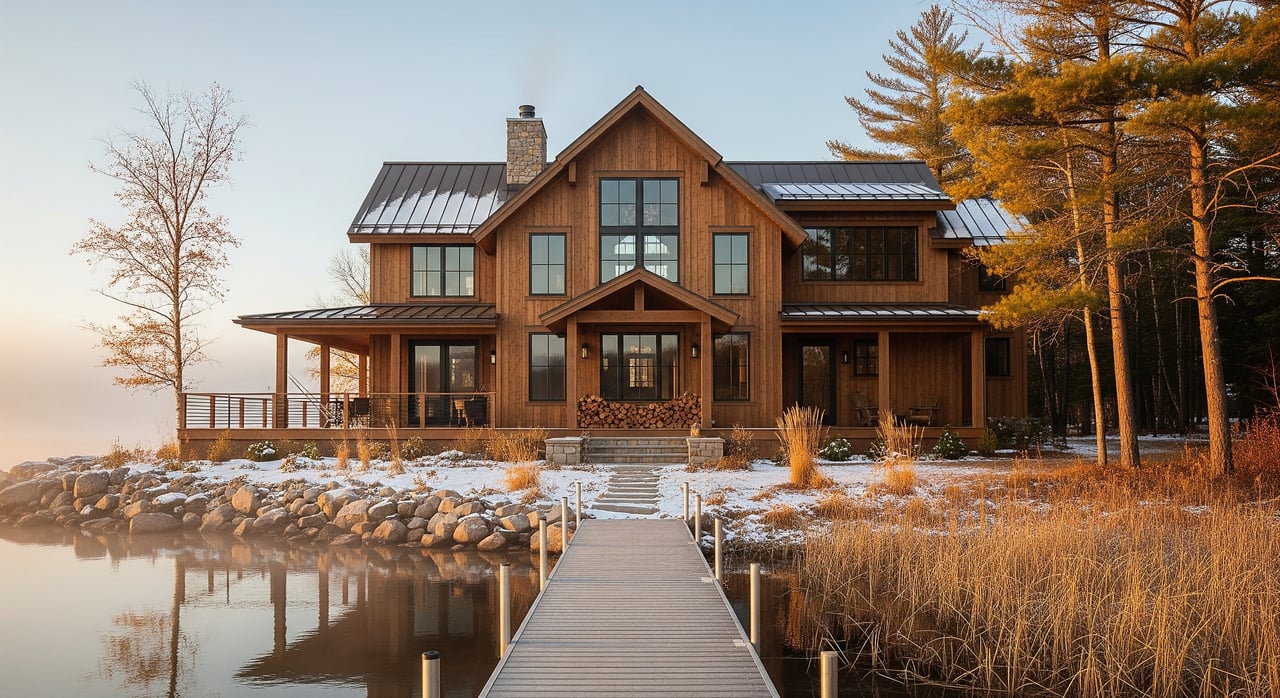
Thinking about a cabin near Rochert but not sure if seasonal or year-round is the smarter move? In Becker County, winter is long, cold, and beautiful, and it changes how properties live and perform. In this guide, you’ll compare access, utilities, maintenance, financing, insurance, and local rules so you can choose with confidence. Let’s dive in.
Seasonal vs. year-round basics
What seasonal means here
A seasonal cabin is typically set up for late spring through early fall. It may lack full insulation, frost-protected water and septic, or permanent heating. Owners usually close and winterize the property before freeze-up.
What year-round means here
A year-round home is built or upgraded for continuous occupancy. You can expect a well-insulated building envelope, reliable heating, and water and sewer systems designed to function through sub-zero temperatures. Road access and plowing are part of the plan.
Climate and access realities
Winter access and plowing
County and township roads are usually plowed, while private lanes and long driveways are the owner’s responsibility. If you need reliable winter driving access and timely emergency service, lean toward a year-round setup with a known plowing plan. Some lake parcels are easier to reach by snowmobile in deep winter, which suits seasonal use but not full-time living.
Safety in freeze-thaw cycles
Northern Minnesota’s freeze-thaw cycle affects foundations, roofs, driveways, and septic components. Ice dams, frost heave, and heavy snow loads are real considerations. A loss of heat in winter can freeze pipes fast, so backup heat and monitoring are wise.
Maintenance and operating costs
Seasonal winterization tasks
Seasonal cabins concentrate work in spring and fall. Typical tasks include draining plumbing and water heaters, shutting off and protecting wells and water lines, securing fuel tanks, and sealing against rodents and moisture. Operating costs can be lower overall, but you may have periodic repair needs due to deferred winter exposure.
Year-round upkeep in winter
Year-round homes spread maintenance across the calendar. Plan for heating fuel, snow and ice removal, roof and gutter care, and monitoring for frost heave or ice dams. Continuous systems care usually means higher operating costs, but you gain flexibility and comfort.
Water, septic, and heat
Wells and freeze protection
Private wells and water lines must be insulated and protected for winter. Seasonal owners often shut off and winterize well piping. For year-round use, verify that the well, pump, and supply lines are designed for deep cold.
Septic systems and rules
Year-round living requires a properly sized and sited septic system that resists freezing. Some seasonal cabins rely on holding tanks or composting toilets, which may not meet requirements for permanent use. Work with Becker County Environmental Services to review permits, records, and any upgrade needs before you buy.
Heating and fuel logistics
Common heat sources include propane, electric, wood stoves, and oil. For remote properties, dependable winter fuel delivery is key. Many rural owners keep a backup heat source and a plan for power outages.
Rules and permits to know
Zoning and shoreland limits
Zoning from Becker County and local townships sets allowed uses, setbacks, lot coverage, and accessory structures. Shoreland rules limit what you can build near lakes, including vegetation buffers, impervious surface caps, and septic placement.
Converting seasonal to year-round
Upgrading a seasonal cabin to full-time use typically triggers permits and code compliance. Expect requirements for insulation, heating, plumbing, and egress under the Minnesota State Building Code. Electrical and mechanical work usually needs licensed contractors and inspections.
Rentals and use restrictions
If you plan short-term rentals, check county and township rules, along with any associations. Some shoreland areas limit or regulate rentals through licensing and taxation.
Financing, insurance, taxes
Mortgage options
FHA, VA, and USDA programs generally require a primary residence, which means the property must be suitable for year-round occupancy. Conventional lenders often finance second homes or recreational properties, but standards can be stricter, with higher down payments and more scrutiny of habitability and access. Conversions or major upgrades may need renovation or construction loans.
Insurance differences
Insurers offer different policies for seasonal dwellings versus full-time homes. Seasonal policies may limit coverage during vacancy and can exclude freeze damage if the property is unheated beyond a set period. Lakeshore brings higher recreational liability, so consider an umbrella policy if you plan to rent. Flood insurance may be required in FEMA-designated zones and is often smart near lakes.
Taxes and resale
Property tax classification can differ for seasonal recreational versus year-round residential, which affects rates and valuation. Year-round homes usually appeal to a broader buyer pool, which can help with resale liquidity.
Decision framework
- Intended use
- Weekend or summer stays fit a seasonal cabin.
- Winter occupancy points to a year-round home.
- Access and emergency services
- Limited winter plowing or snowmobile access suits seasonal use.
- Reliable plowed roads and emergency access point to year-round.
- Budget and ongoing costs
- Lower entry price and seasonal maintenance favor seasonal.
- Higher operating costs but more versatility favor year-round.
- Financing needs
- FHA, VA, or USDA usually require year-round suitability.
- Conventional second-home loans may work for seasonal or year-round, with stricter terms for recreational properties.
- Utilities and infrastructure
- Off-grid or minimal utilities fit seasonal.
- Freeze-protected water, septic, and heat fit year-round.
- Renovation appetite
- Willing to upgrade plumbing, insulation, and heat supports conversion.
- Prefer low-effort ownership fits seasonal use.
- Insurance and liability
- Comfortable with vacancy limits suits seasonal.
- Want full homeowner coverage and robust liability leans year-round.
- Resale considerations
- Broader buyer demand typically favors year-round homes.
Pre-purchase checklist
- Verify zoning and allowable use with Becker County and your township.
- Confirm who maintains the road and how it is plowed in winter.
- Request utility records and maintenance history for well, septic, and heating.
- Order well and septic inspections and review permits and records with county health or state offices.
- Check shoreland restrictions if the property touches a lake.
- Ask the Becker County Assessor about tax classification and recent valuations.
- Talk to insurance agents early about insurability and vacancy or winterization requirements.
- Review FEMA flood maps and elevation data if the parcel is near high water.
- Confirm loan options with lenders based on occupancy, property type, and condition.
- Verify seasonal access details, including any boat-only periods or ice-road limitations.
Local guidance matters
Buying in 56578 is about lifestyle and logistics. The right choice comes from matching your goals with realistic winter access, code compliance, and operating costs. You want a partner who knows Becker County rules, shoreland constraints, and what it takes to convert or maintain a property through a sub-zero season.
As a Detroit Lakes–based REALTOR with local leadership roles and proven, process-driven service, I guide buyers and sellers through lakefront and recreational property decisions, from acquisition to upgrades and new-construction partnerships. If you’re weighing seasonal versus year-round near Rochert, let’s build a clear plan that fits your budget, access needs, and timeline. Connect with Jason Bristlin to get started.
FAQs
Can you live year-round in a converted seasonal cabin near Rochert?
- Yes, but expect permits and upgrades for insulation, heating, plumbing, and egress to meet the Minnesota State Building Code and local inspection requirements.
How does winter road access affect cabin choice in 56578?
- If you require dependable plowing and timely emergency access, focus on year-round homes with documented maintenance of roads and driveways.
What financing works for a purely seasonal cabin purchase?
- Conventional second-home loans or cash are common, while FHA, VA, and USDA typically require year-round suitability and primary occupancy.
What insurance should I expect for a lakeshore property?
- Seasonal dwellings often have vacancy limits and freeze exclusions, while year-round homes can carry broader coverage; consider flood and umbrella policies as needed.
What should I check for wells and septic near lakes in Becker County?
- Confirm freeze protection and capacity, and review permits, inspection results, and siting against shoreland requirements with county environmental services.
Are short-term rentals allowed for lake cabins near Rochert?
- It depends on county, township, and any association rules, which may include licensing, taxation, or limits on rental activity.