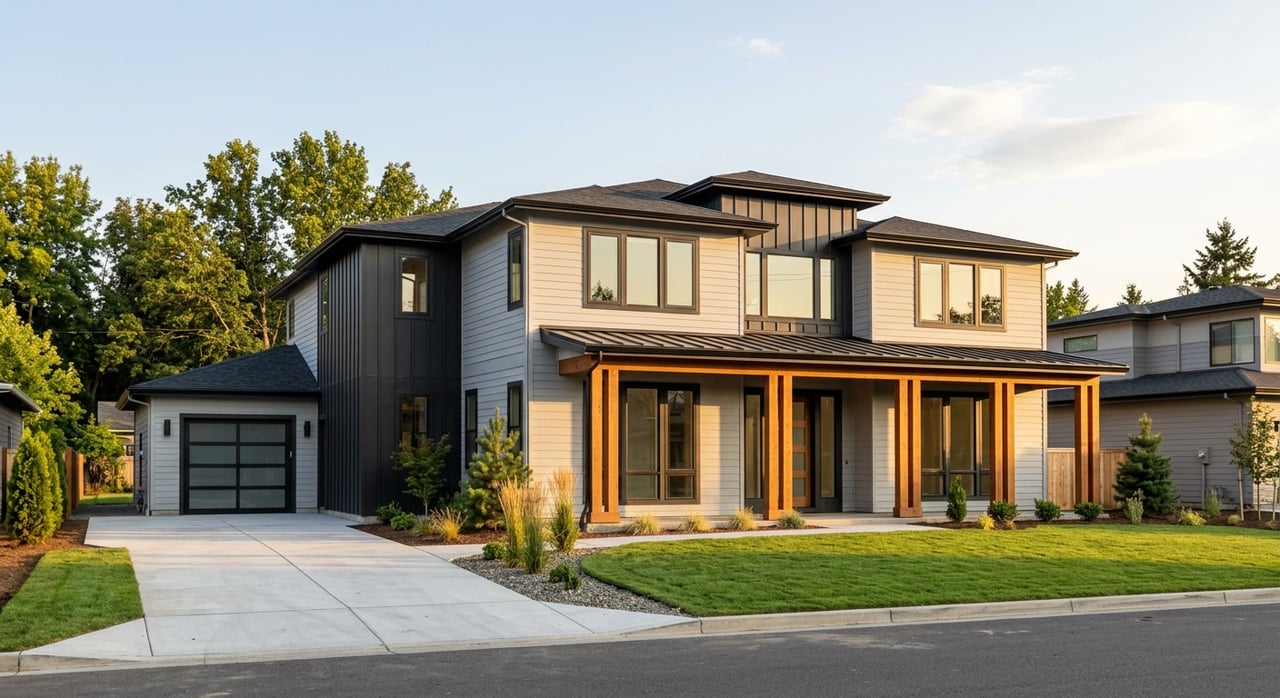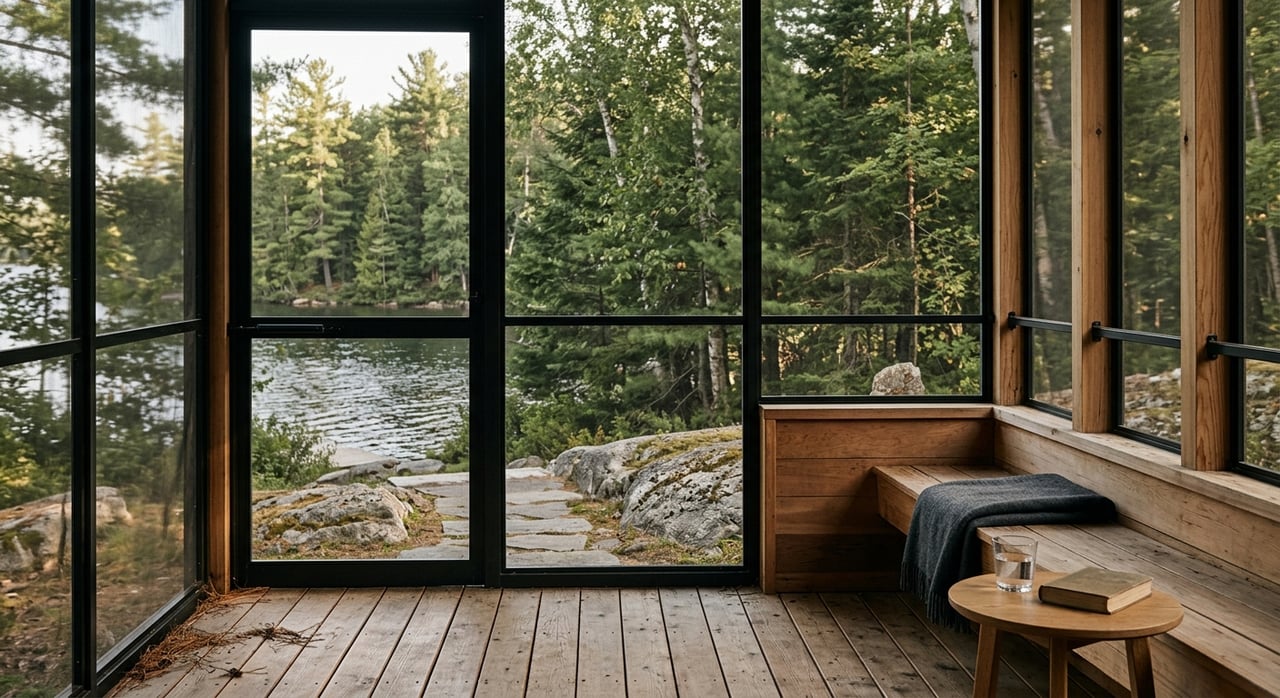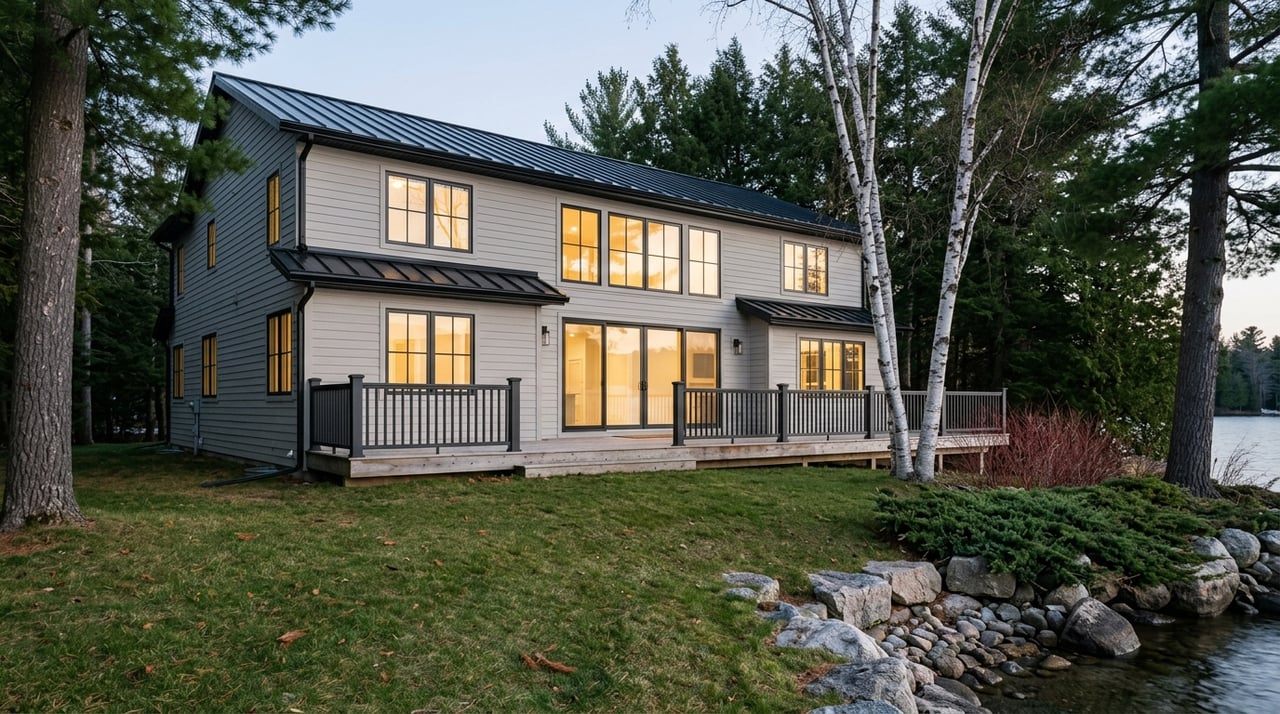
Dreaming about a lake cabin near Pelican Rapids is easy. Choosing the right one is where things get real. If you want a place for summer weekends, year-round living, or something in between, you need more than a pretty shoreline view. You need to know how the area works, what type of property fits your goals, and what to verify before you buy. Let’s dive in.
Why Pelican Rapids draws cabin buyers
Pelican Rapids offers something many lake markets do not. You get easy access to recreation, lakes-country scenery, and a real town center with everyday services.
That balance matters when you are comparing a tucked-away retreat with a property that is simpler to own and use. The city describes itself as the third largest city in Otter Tail County and provides city-run water and sewer utilities, along with parks, a campground, and trail connections through Maplewood State Park.
Maplewood State Park is one of the biggest reasons buyers look in this area. The park covers about 9,200 acres and includes eight major lakes, many ponds, nearly 30 miles of hiking trails, 20 miles of horseback trails, and 9 miles of mountain-bike trails.
The park also supports four-season recreation. You can enjoy a sandy beach on Lake Lida, boat, canoe, and kayak rentals, fishing, hiking, skiing, snowshoeing, snowmobiling, and year-round camper cabins. If you love the lakes-country lifestyle, this area gives you plenty to do beyond your own lot lines.
Cabin types near Pelican Rapids
One of the biggest mistakes buyers make is assuming every lake cabin near Pelican Rapids is basically the same. In reality, the local market includes a range of property types.
You may find a simple seasonal cabin, a larger recreational home, a property with multiple structures, or a year-round waterfront house. You may also come across lots or acreage that offer lake access or future building potential.
That means your search should start with how you want to use the property, not just with the word cabin. In this market, livability and utility setup often matter more than style alone.
Seasonal cabins
A seasonal cabin can be a great fit if you want a simpler retreat focused on warmer-weather use. These properties may offer a more relaxed ownership experience, but they can also come with limits related to heat, water, septic, or winter access.
For some buyers, that tradeoff is completely worth it. If your goal is fishing weekends, family time, and a lower-complexity getaway, a seasonal setup may be the right match.
Year-round lake properties
A year-round lake property is different from a seasonal cabin in ways that affect both cost and daily use. It usually needs dependable heat, practical winter access, and utility systems that can support regular occupancy.
This matters if you plan to live there full time, stay for long stretches, or work remotely. A property can look polished online but still require careful review of how it functions through a Minnesota winter.
Multi-structure properties
Some buyers want more than one building on the property. You may see a main cabin plus a guest cabin, or a larger setup built for extended family and visiting friends.
These properties can offer flexibility, but they also increase the need for due diligence. More structures can mean more questions about utilities, use, compliance, and ongoing maintenance.
City lot or shoreland parcel?
This is one of the most important questions you can ask early in your search. A property inside Pelican Rapids city limits can work very differently from a rural lakeshore parcel in county shoreland.
Inside the city, Pelican Rapids says zoning permits are required, and the city operates its own water and sewer utility. That can make in-town or near-town ownership feel more straightforward for buyers who want easier access to services.
Outside the city, Otter Tail County shoreland rules become central. The county defines shoreland as land within 1,000 feet of a lake’s ordinary water level or 300 feet from a river or stream.
If the property is in shoreland, the rules around occupancy, setbacks, sanitation, and future improvements deserve close attention. This is especially important if you hope to remodel, expand, or convert a cabin for broader use over time.
Utilities matter more than the photos
A beautiful deck and a great sunset do not tell you how a property actually lives. Near Pelican Rapids, utility questions often shape whether a cabin feels easy, costly, seasonal, or practical for year-round use.
For many buyers, these details become the difference between a smart purchase and a frustrating surprise. It is worth slowing down and verifying each system.
Water and sewer
If the property is in town, city water and sewer may simplify ownership. Pelican Rapids operates its own utility system and publishes annual drinking-water reports.
If the property is outside town, you are likely looking at a private well and septic system. That setup is common, but it requires more property-specific review.
Septic systems
Otter Tail County states that premises used for human occupancy must connect to public sewer where available or comply with Minnesota septic rules and county sanitation requirements. The Minnesota Pollution Control Agency also notes that septic design depends on site soil and groundwater conditions.
In plain terms, not every septic system is equal. Age, design, condition, and site limitations can all affect your costs and your intended use of the property.
Wells
Private wells deserve the same careful review. The Minnesota Department of Health requires specific separation distances between wells and contamination sources such as septic systems and sewers, and unused wells must be properly sealed.
If a cabin has older systems or limited documentation, this is not a detail to brush aside. A well that works today is only part of the story. You also want to understand compliance, location, and long-term practicality.
Broadband and electric service
If you plan to work remotely, stream reliably, or stay for longer stretches, do not assume rural internet is uniform. Otter Tail County lists local providers including Park Region, Arvig, Spectrum/Charter, and CenturyLink, and the county has also announced fiber expansion in nearby rural townships.
Otter Tail Power lists Pelican Rapids among the communities it serves. Still, service availability can vary by parcel, so broadband and electric service should be verified before you write an offer.
Seasonal or year-round ownership
For many buyers, this is the decision that shapes everything else. Do you want a leisure-focused getaway, or do you want a property that could function like a primary home?
Minnesota property tax rules make that distinction important. To qualify for homestead, a property must be owned and occupied as your sole or primary residence, and you must be a Minnesota resident. Homestead applications are filed with the county assessor by December 31 for taxes payable the next year.
State guidance also notes that property classified as seasonal residential recreational property during current ownership generally cannot later be reclassified as homestead unless the owner occupies it as a homestead. That is a practical reason to define your plans early.
If you are aiming for year-round use, look closely at:
- Dependable heat source
- Winter road access
- Well and septic setup
- Broadband availability
- Overall livability in cold-weather months
If you are shopping for a seasonal retreat, your priorities may shift more toward recreation, simpler upkeep, and a lower-pressure ownership model.
Maplewood adds value beyond frontage
Not every great cabin purchase needs direct lake frontage. Near Pelican Rapids, Maplewood State Park can add a lot of lifestyle value even if your property is set back from the water or closer to town.
Because the park offers trails, lakes, beach access, paddling, fishing, horseback riding, and winter recreation, buyers can often widen their search area without giving up the outdoor experience they want. That can open up more options across price points and property styles.
It also gives you a useful way to think about value. Sometimes the best fit is not the most obvious lakefront listing. Sometimes it is the property that gives you easier ownership while keeping recreation close at hand.
Budget beyond the purchase price
When buying a lake cabin near Pelican Rapids, the list price is only the starting point. You also need to understand what it may take to own, maintain, or improve the property.
Otter Tail County’s GIS and property tools can help buyers review parcel data, tax assessments, sales history, and permit-related information. The county also notes that its cadastral maps are reference tools rather than legal descriptions, which is a good reminder to treat online research as part of the process, not the whole process.
As you budget, think about possible costs such as:
- Septic review or replacement
- Well inspection or sealing needs
- Broadband installation or upgrades
- Shoreland-related restrictions on future work
- Driveway or winter access improvements
- Utility updates for year-round use
This is often where local guidance makes a real difference. Two properties with similar asking prices can create very different ownership costs once infrastructure is part of the picture.
A simple framework for choosing
If you are narrowing your search, one framework works especially well in the Pelican Rapids area. Properties closer to town often offer easier access to errands, services, and city utilities.
Properties farther out may offer more privacy, more shoreline, or a stronger park-and-lake feel. But they also raise the importance of wells, septic, broadband, and winter access.
Neither option is better across the board. The right choice depends on how you plan to use the property and how much complexity you want to manage.
How to shop smarter in this market
Before you fall in love with the view, get clear on your non-negotiables. Think about whether you want seasonal fun, year-round function, guest space, easier utility service, or more privacy.
Then match those goals to the property type and location. That process helps you avoid overbuying on features you do not need or underestimating the systems that matter most.
Working through these details with a local, process-driven approach can save you time and protect your budget. In a market like Pelican Rapids, that kind of discipline matters because every parcel can be a little different.
If you are thinking about buying a lake cabin near Pelican Rapids, Jason Bristlin can help you compare properties, sort through parcel-level details, and move forward with a clear plan.
FAQs
What types of lake cabins are available near Pelican Rapids?
- Buyers in the Pelican Rapids area may find seasonal cabins, year-round lake homes, multi-structure properties, waterfront homes, and vacant lots or acreage with lake access potential.
What should buyers verify for a shoreland property in Otter Tail County?
- Buyers should confirm whether the parcel is in shoreland, review utility and sanitation setup, and understand how county rules may affect occupancy, improvements, and future plans.
What utilities should buyers check before buying a cabin near Pelican Rapids?
- Buyers should verify whether the property has city water and sewer or a private well and septic system, and they should also confirm broadband, electric service, and winter access.
What is the difference between a seasonal cabin and a year-round property near Pelican Rapids?
- A seasonal cabin is usually geared toward part-time recreational use, while a year-round property typically needs dependable heat, winter access, and utility systems that support full-time or extended occupancy.
How does Maplewood State Park affect cabin buying near Pelican Rapids?
- Maplewood State Park adds four-season recreation value through lakes, trails, beach access, paddling, fishing, skiing, snowshoeing, and other outdoor activities, which can make nearby non-frontage properties appealing too.
How can buyers research a lake property near Pelican Rapids before making an offer?
- Buyers can use Otter Tail County property and GIS tools to review parcel data, tax assessments, sales history, and permits, then compare that information with the property’s utility and access setup.