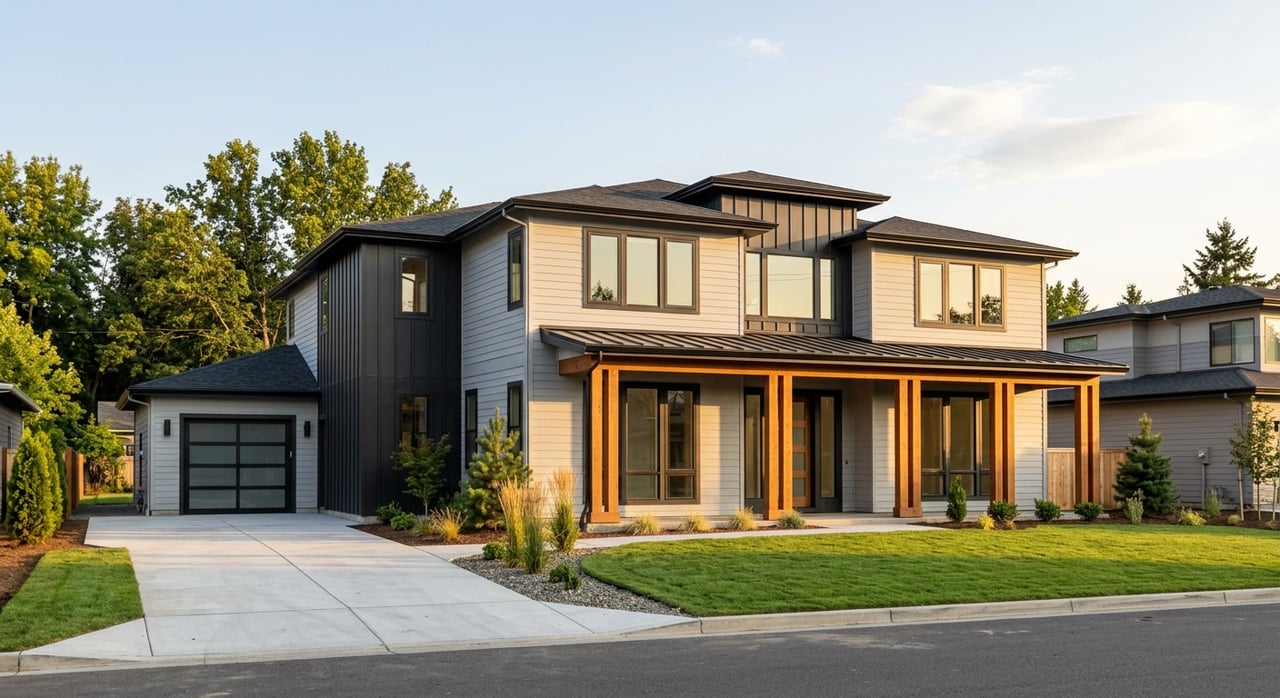
Thinking about building instead of buying resale in Perham? It can be a smart move if you want a home that fits your layout, your lot, and the way you plan to live. But new construction here often works differently than in larger metro markets, so it helps to know what to expect before you start. Let’s dive in.
Perham new construction looks different
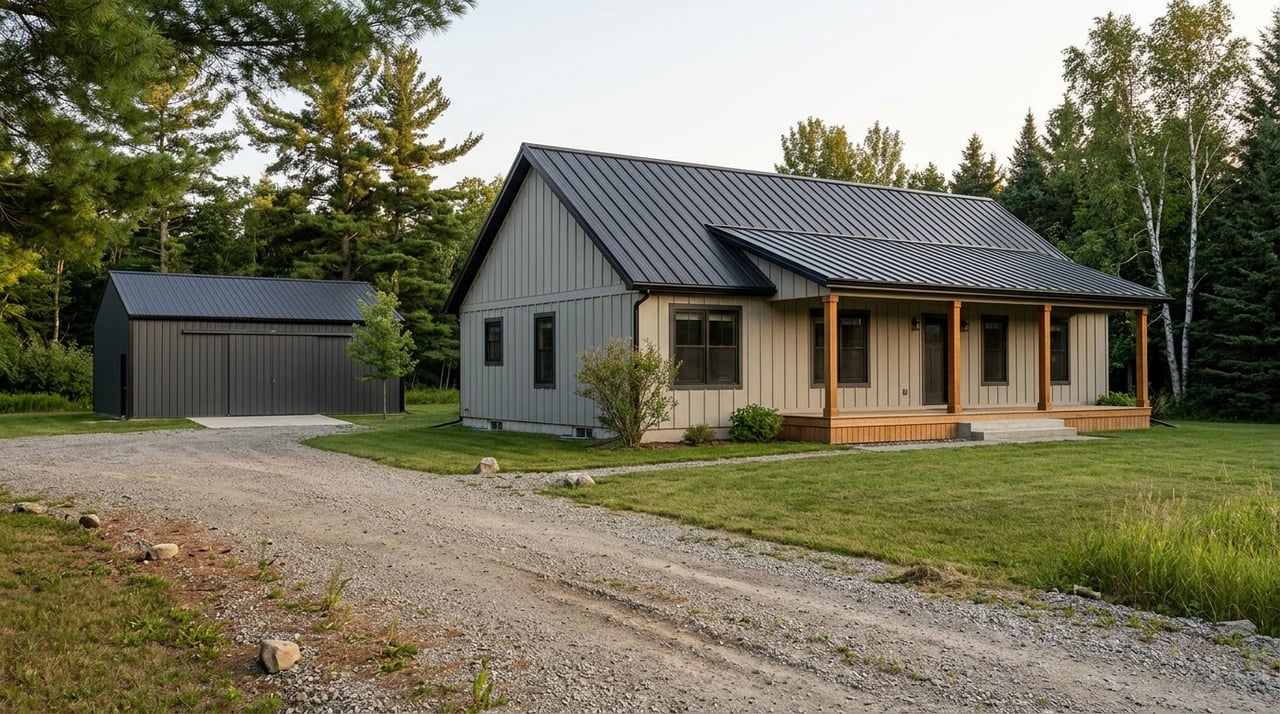
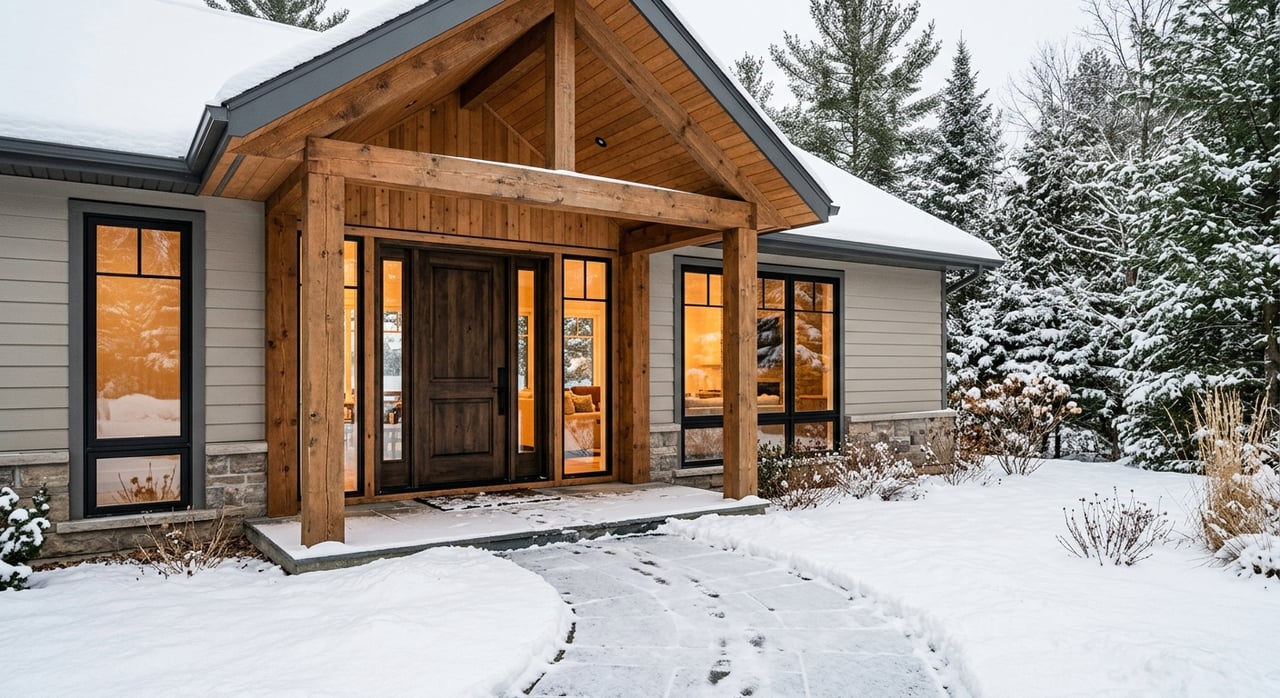
In Perham, new construction appears to be more custom-driven than a large subdivision market filled with identical spec homes. Local builders commonly market custom homes, lake homes, cabins, additions, and remodeling, which points to a market where buyers often work directly with builders on a design-build or semi-custom basis.
That matters because your choices may be broader, but the process can be more involved. Instead of picking from a long list of move-in-ready models, you may be comparing lot options, plans, allowances, and builder timelines.
What home styles buyers may see
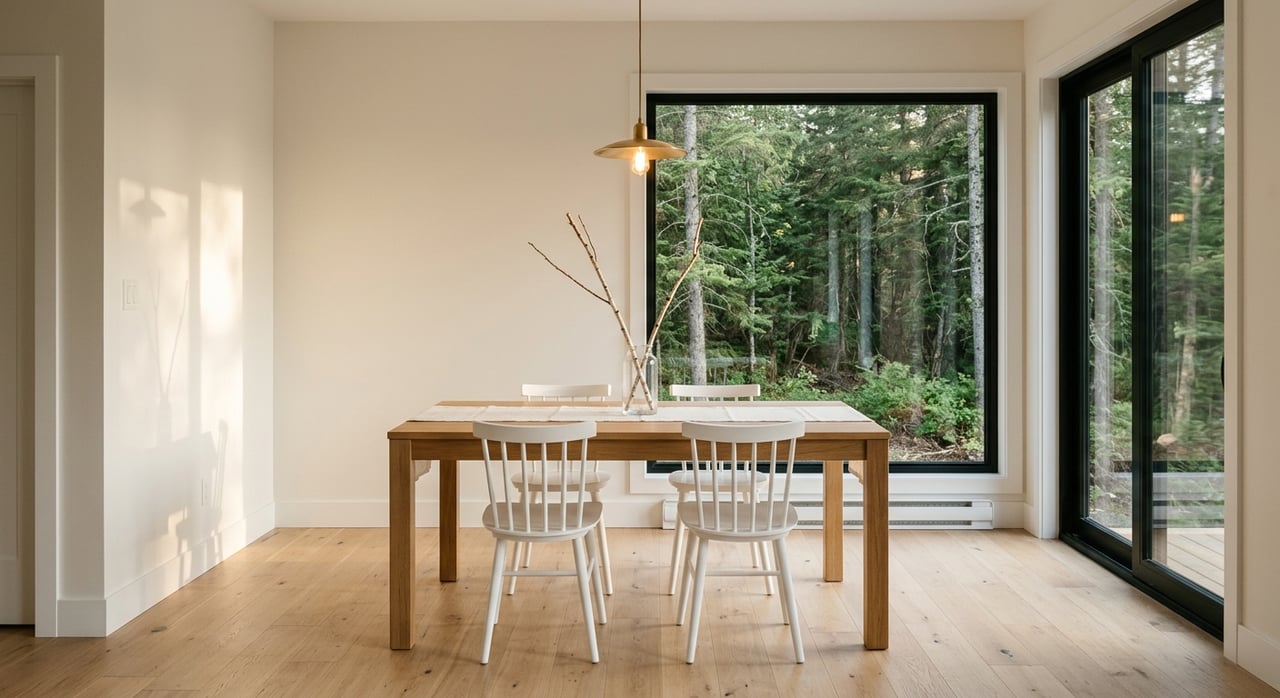
Builder portfolios in the Perham area suggest several features show up often in new homes. These include open floor plans, main-floor living, vaulted ceilings, and larger windows designed to capture lake or outdoor views.
If you are building near the lakes-country areas around Perham, layout decisions may matter just as much as square footage. Buyers often look for practical flow, easy indoor-outdoor living, and designs that make the most of the setting.
Common design themes
- Open kitchen and living spaces
- Main-floor-centered layouts
- Large windows
- Lake-oriented floor plans
- Semi-custom or fully custom finishes
These features are not a citywide standard plan book. They are a reasonable takeaway from what local builders actively showcase in the Perham market.
Lot details matter as much as the house
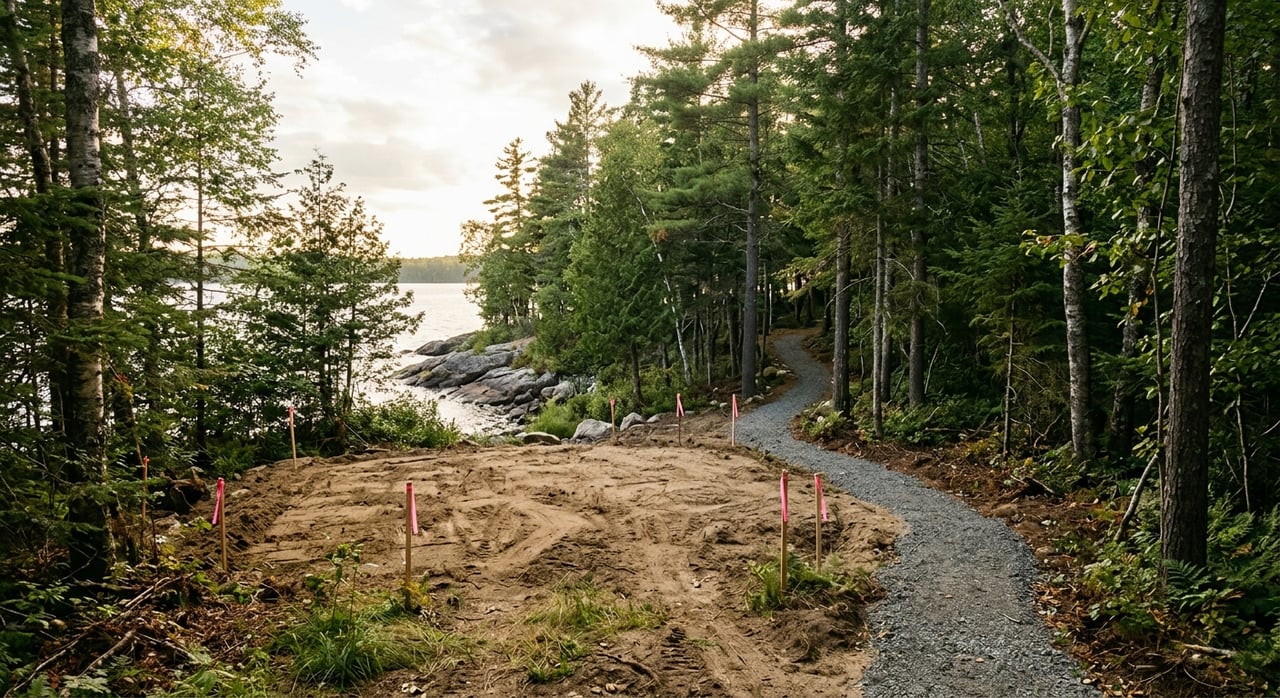
One of the biggest differences with new construction is that the lot itself can shape your budget, timeline, and design options. In Perham, the city says build-ready residential lots are available, and some neighborhoods include wide streets and expansive boulevards.
Before you fall in love with a floor plan, make sure you understand exactly what comes with the lot. A lower lot price does not always mean a lower total cost once hookups, assessments, and site work are added in.
Questions to ask about a Perham lot
- Is the lot price separate from the house price or bundled?
- Are sewer and water assessments included?
- Which utility hookups are already in place?
- Are there subdivision conditions that affect design or use?
- Is the lot in a city area with incentive eligibility?
Utilities and assessments to confirm
Perham provides natural gas, water, wastewater, recycling, storm-water, and garbage services through the city utility system. Buyers should still confirm the details for the specific property because service connections and related costs can vary from lot to lot.
This is especially important when you are comparing two lots that seem similar on the surface. The real difference may come down to what infrastructure is already available and what costs are still ahead.
Perham incentives may reduce upfront costs
Perham offers some buyer-friendly incentives tied to certain new construction locations. The city’s EDA/HRA says residential TIF is available in Westwind, Clearwater, Victory Estates, and Prairie’s Edge, reducing sewer, water, and street special assessments by about $15,000 for qualified owner-occupants.
The city also notes free boulevard trees and one year of free water usage for lawn establishment with new construction. For many buyers, these items will not make or break the project on their own, but they can improve the total cost picture.
Incentive areas to ask about
- Westwind
- Clearwater
- Victory Estates
- Prairie’s Edge
If you are looking at a home package or a buildable lot, ask whether it is in one of these areas and whether you meet the owner-occupant qualification.
Zoning can affect your plans
In Perham, the lot is not just a blank canvas. The city uses both a zoning ordinance and a subdivision ordinance, which means allowable uses, lot splits, and development conditions can all affect what you are able to build.
This is one reason local guidance matters. If you are buying land for a custom home, future outbuilding, or a development-minded project, it helps to verify the rules early rather than after you have spent time and money on plans.
The permit process is formal and important
For new homes in Perham, construction work within the city must comply with the Minnesota State Building Code. The city says permits are generally required for new buildings, additions, renovations, demolitions, prefabricated structures, manufactured homes, and electrical, plumbing, and HVAC systems.
The process itself is straightforward, but it is not casual. The city directs applicants to talk with the building official, submit an application, wait for plan review, receive the permit, schedule inspections during major phases, and then obtain final approval for occupancy.
What the city may require for a new home
Perham’s new construction submittal checklist calls for:
- Two sets of plans
- A site plan
- Floor plans with room dimensions and uses
- Exterior elevations
- A wall section
- A Minnesota Energy Compliance Certificate
- A window schedule
- Floor and roof system drawings
That paperwork shows why the preconstruction phase deserves its own place in your timeline. Planning, review, and approvals happen before the physical build really gets moving.
Build timelines need a realistic buffer
Many buyers focus on the construction phase and forget the time needed before the foundation work begins. In Perham, plan review and inspections are required parts of the process, so pre-build coordination matters.
For general context, a 2026 NAHB study puts single-family homes built for sale at 6.3 months from start of construction to completion. That does not mean every Perham build will follow that exact schedule, but it does support a practical takeaway: your total timeline includes both the city approval phase and the actual build phase.
Financing is often more complex than resale
If you have only purchased existing homes before, new construction financing can feel unfamiliar. The CFPB says a construction loan is usually a short-term loan that covers the cost of building or rehabilitating a home, with funds typically released in a series of advances as construction progresses.
Fannie Mae also notes that construction-to-permanent financing can be set up as either a single-closing or two-closing transaction. For you as a buyer, that means it is worth understanding the loan structure early, because it can affect timing, paperwork, and closing costs.
Financing questions to ask early
- Is this a construction loan or construction-to-permanent loan?
- Is it a single-close or two-close structure?
- When are funds disbursed during the build?
- What approvals are needed before construction can begin?
- How are change orders handled by the lender and builder?
Assistance programs may help qualified buyers
Perham’s housing page says local gap financing may help buyers of newly constructed homes or previously owned homes within the city, with assistance up to $10,000. That can be worth exploring if you are trying to keep more flexibility in your upfront budget.
Minnesota Housing also says Start Up and Step Up borrowers working through participating lenders may access downpayment and closing-cost loans up to $18,000 for Start Up and up to $14,000 for Step Up. These are loans, not grants, and Minnesota Housing notes that in a first-time-buyer transaction, at least one borrower must complete approved homebuyer education before closing.
Warranties are a real difference with new homes
One advantage of new construction is that builder warranty coverage is usually part of the purchase. The FTC says builder warranties commonly cover workmanship and materials for certain components, often for one year, with systems such as HVAC, plumbing, and electrical commonly covered for two years, and some structural issues covered for up to 10 years.
The FTC also distinguishes a home warranty from a builder warranty. A home warranty is usually a separate service contract that may cost extra and is more common with existing homes.
Warranty questions to ask your builder
- What builder warranty is included?
- How long does coverage last for workmanship and materials?
- What systems are covered, and for how long?
- Is there any third-party warranty coverage?
- What is the process for warranty claims after closing?
Upgrades and allowances can change your budget
A base price is not always your final price. In a semi-custom or custom build, some finishes may be listed as allowances while others count as upgrades.
This is where buyers can get surprised if expectations are not clear up front. Ask for a detailed estimate and make sure you understand which selections are included, which have budget caps, and what happens if your choices go over the allowance amount.
New construction versus resale in Perham
For many buyers, the real decision is not just whether to build, but whether building makes more sense than buying an existing home. New construction often offers more customization and newer systems, but it usually comes with a longer approval and build sequence than resale.
Resale can offer a faster move and more certainty on timing. New construction can offer a better fit for your lifestyle, especially if you want a specific lot, a main-floor-centered layout, or a home designed around lake-country living.
How to make a smart move in Perham
The best new construction decisions usually start with good coordination. You want to understand the lot, the utility setup, city requirements, financing structure, builder timeline, and warranty terms before you commit.
That is especially true in a market like Perham, where many projects are more custom than cookie-cutter. A steady, local, process-driven approach can help you avoid surprises and move forward with more confidence.
If you are weighing lots, comparing builders, or trying to understand how a Perham new build fits your budget and timeline, Jason Bristlin can help you navigate the details with clear local guidance and disciplined project coordination.
FAQs
What is different about new construction homes in Perham?
- New construction in Perham appears to be more custom-driven than a large tract-home market, so you may be working directly with a local builder on a semi-custom or fully custom home.
What incentives are available for new construction in Perham?
- Perham says residential TIF is available in Westwind, Clearwater, Victory Estates, and Prairie’s Edge, reducing sewer, water, and street special assessments by about $15,000 for qualified owner-occupants, along with free boulevard trees and one year of free water for lawn establishment.
What permits are required for a new home in Perham?
- Perham says permits are generally required for new buildings and related electrical, plumbing, and HVAC work, with plan review, inspections, and final approval required before occupancy.
What documents are needed for a new home application in Perham?
- The city’s checklist includes two sets of plans, a site plan, floor plans, exterior elevations, a wall section, a Minnesota Energy Compliance Certificate, a window schedule, and floor and roof system drawings.
How long does a new construction home take to build in Perham?
- Timelines vary, but buyers should plan for both a preconstruction approval stage and the physical build stage; for general context, an NAHB study reported 6.3 months from start of construction to completion for single-family homes built for sale.
How does financing work for a new construction home in Perham?
- New construction financing is often more complex than resale and may involve a construction loan or a construction-to-permanent loan with either a single-close or two-close structure.
Are warranties included with new construction homes in Perham?
- New homes commonly include a builder warranty, with the FTC noting that many cover workmanship and materials for one year, systems for two years, and some structural issues for up to 10 years.
What should buyers ask about a Perham building lot?
- Buyers should ask whether the lot price is separate from the home price, whether utility hookups and special assessments are included, and whether zoning or subdivision rules affect the intended build.