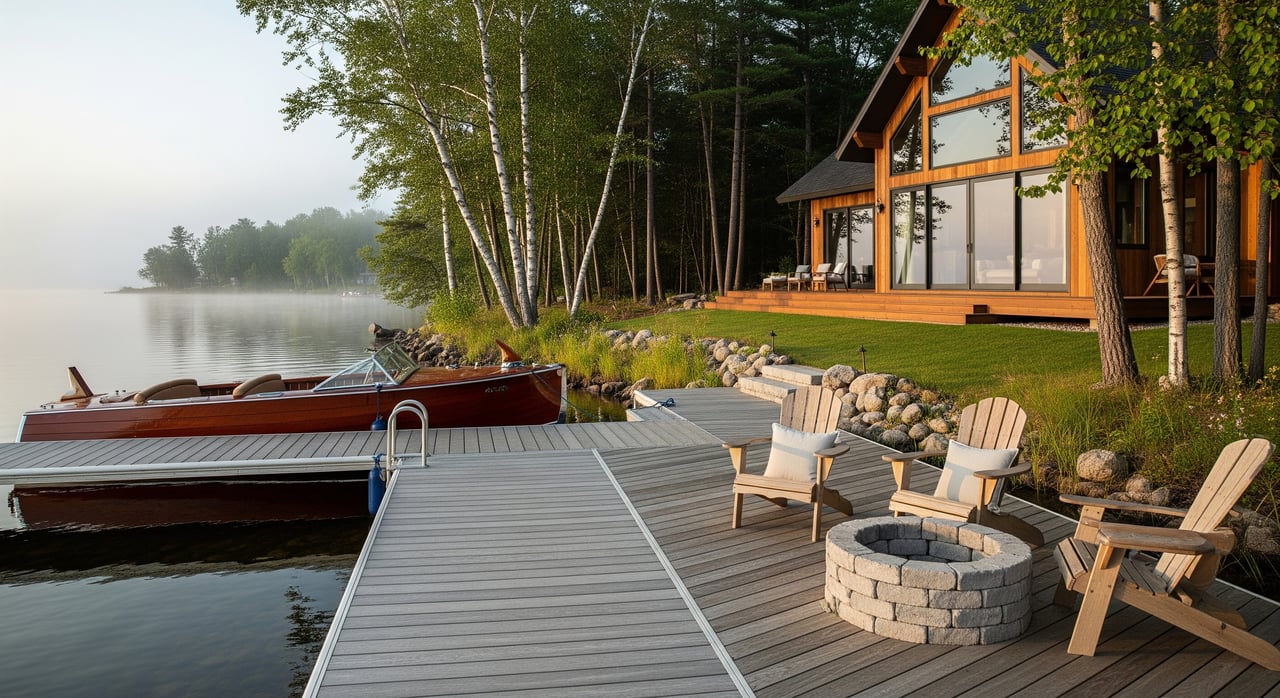
What does a Tuesday in July look like compared to a Tuesday in January when you live on a Detroit Lakes shoreline or just a few blocks from the beach? If you are picturing early glassy water, busy docks by noon, and quiet snow under starlight, you are on the right track. Lake living here runs on seasons, access, and a few routines that keep your home and shoreline in top shape. In this guide, you will learn how day-to-day life flows throughout the year, what services you can count on, and what to check before you buy. Let’s dive in.
Where lake life happens
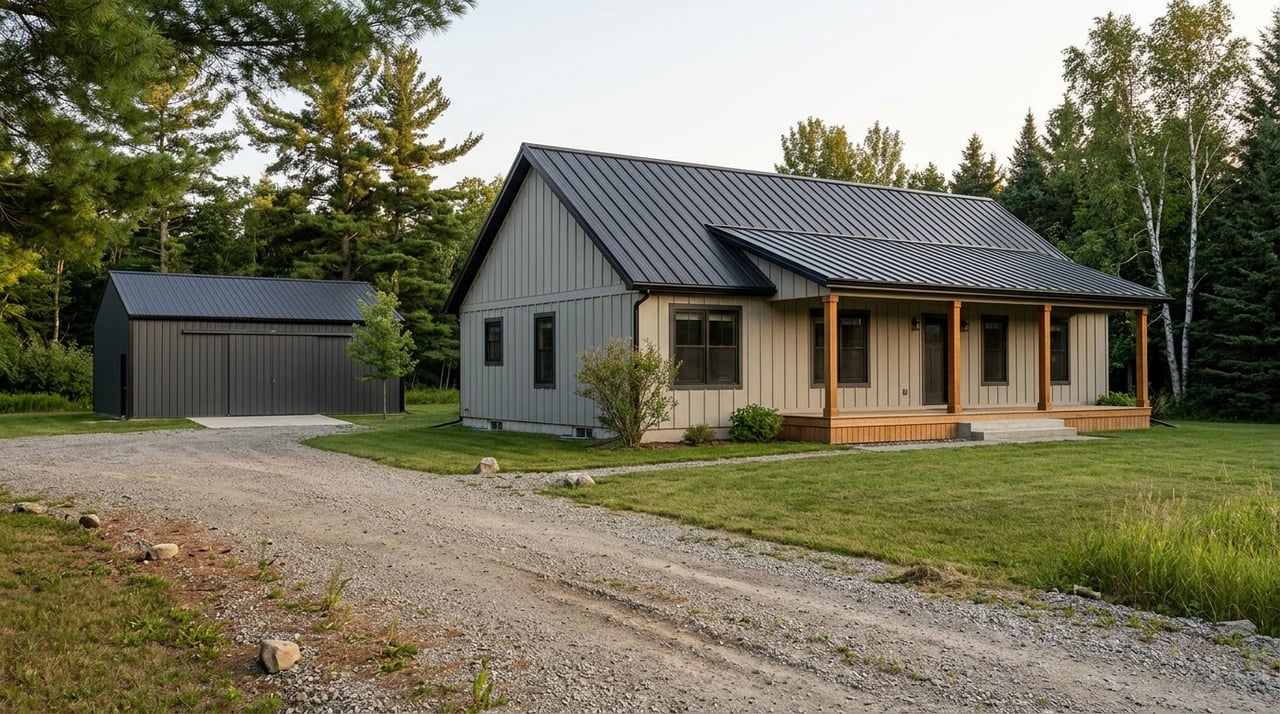
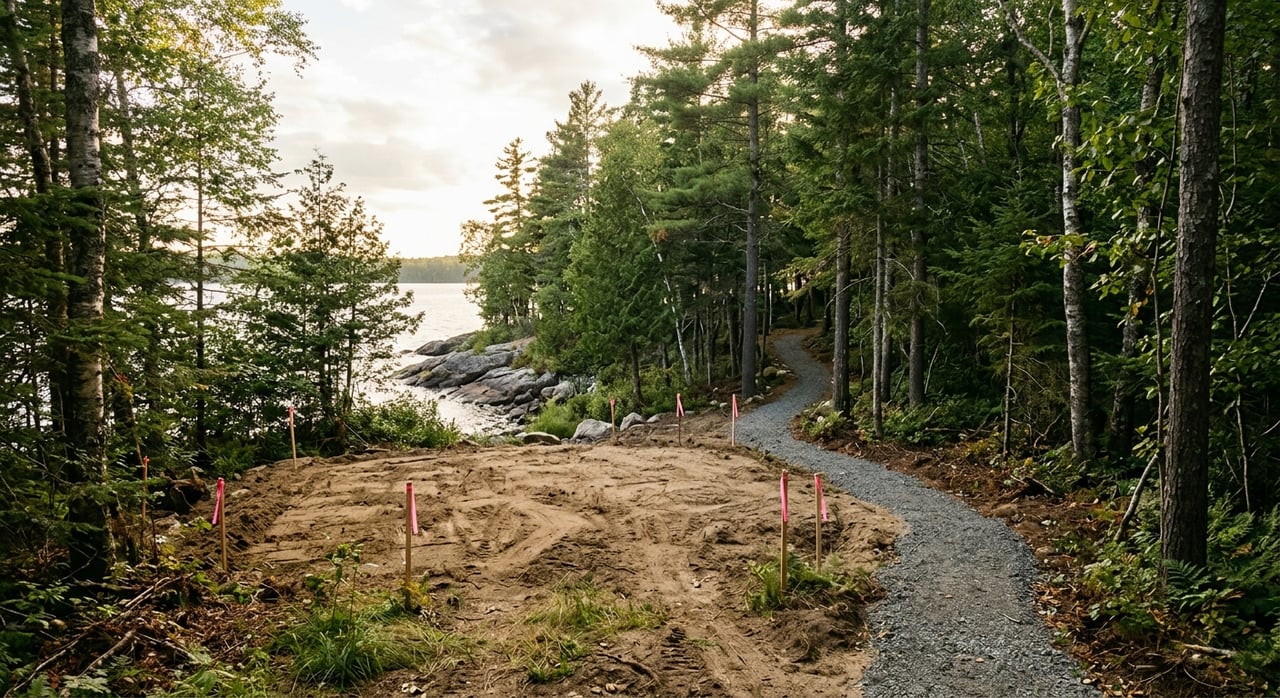
You will find a mix of true lakefront homes, near-lake properties a short walk or drive away, lake-view homes, and in-town options with public beach access. Many residents use a blend of private docks and public resources to get on the water.
For boat ramps and launches, start with the Minnesota DNR public water access maps. These show parking, ramp type, and shoreline features across the area’s lakes. In-town amenities, beaches, and park programs are maintained by the City of Detroit Lakes parks and beaches.
- Private shoreline often includes a dock or lift, with seasonal installation and removal.
- Near-lake living still feels close to the action, especially if you are near a public access or beach.
- In-town homes offer convenience, with quick drives to groceries, clinics, and schools.
A day in July
Summer days start early. Many locals get on the water at dawn to fish or ski before the afternoon breeze picks up. Midday often means beach time, paddleboarding, or a quick trip to town for errands.
Afternoons are social. Expect more traffic near public beaches and marinas, fuller parking, and longer lines at popular spots. The community calendar is active, with festivals and lake-season gatherings listed on the Visit Detroit Lakes events calendar.
Evenings slow down around sunset, when you might grill on the deck or gather on the dock. You will also notice routine shoreline tasks: moving lifts, tidying the beach, and prepping for guests.
A day in January
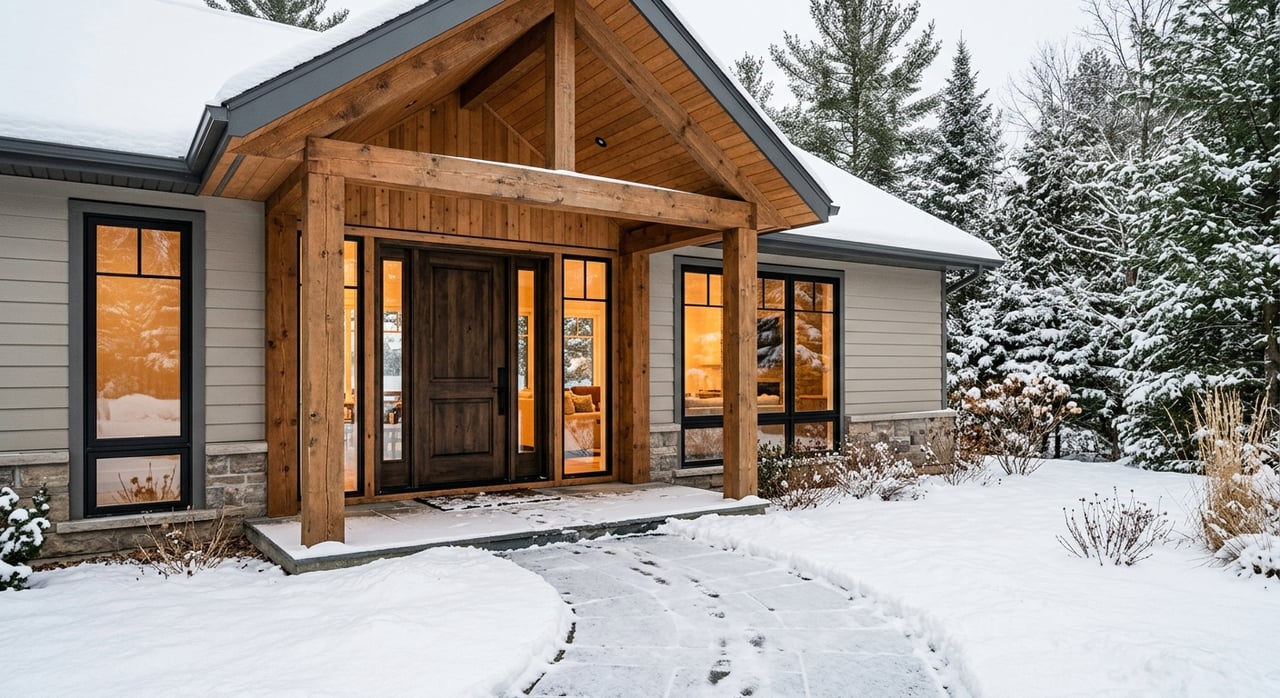
Winter brings a quieter rhythm and a reliable lake freeze typical of the Upper Midwest. Cold snaps shape your morning priorities: snow removal, checking heat, and planning commute times. For context on seasonal patterns, see NOAA climate normals.
You will see ice anglers and snowmobilers most days, along with cross-country skiers on local trails. Ice safety knowledge is part of everyday life. People pay attention to access points, pressure ridges, and recent temperature swings before heading out.
Indoors, the social calendar shifts to clubs, school activities, and community events. Many residents schedule home projects, equipment maintenance, and future planning during winter.
Spring and fall routines
Spring feels like a reset. Once ice-out occurs and weather stabilizes, you schedule dock and lift installation. Shoreline cleanups and septic checks are common. Wind and rain can delay projects, so plan for flexible work windows.
Fall is your wrap-up season. Many homeowners remove docks and lifts before freeze, service furnaces, and winterize irrigation. If your home is seasonal, you may shut off water, drain lines, and set temperature monitors to prevent frozen pipes.
Services you count on in town
Detroit Lakes is the everyday hub for groceries, pharmacies, hardware, banks, and basic retail. Routine and urgent healthcare needs are available locally, with many residents using larger regional hospitals for specialized care.
Connectivity varies by parcel. In-town addresses often have cable or fiber, while rural and some shoreline areas may rely on different providers or speeds. If remote work is important, verify service options for the specific address before you buy.
Commuting is straightforward most of the year. In winter, build in extra time for plowing, school traffic patterns, and road conditions. Many residents work in education, health care, tourism, government, small business, and trades.
Water, fisheries, and health basics
Fishing runs strong across the lakes, with walleye, northern pike, largemouth and smallmouth bass, and panfish commonly targeted. For lake-by-lake species lists, access locations, and updates, use the Minnesota DNR LakeFinder.
Water quality varies by lake and season. On hot, calm stretches, watch for algae blooms and always follow MPCA guidance on harmful algal blooms. If you draw drinking water from a private well, review testing guidelines and safety information from the Minnesota Department of Health.
Neighborhood conversations often include lake clarity, vegetation, and invasive species awareness. Local lake associations and neighbors can be helpful resources, especially for seasonal patterns and best practices.
Rules and permits that shape your day
Shoreline and dock guidelines set the rhythm for what you can build or modify on your property. Before placing a dock, adding fill, or altering the shoreline, review Minnesota DNR shoreland management guidelines and confirm local ordinances with the city or county.
- Check setbacks and structure sizes before planning lifts or platforms.
- Ask about seasonal dock removal timing if your lake association has recommendations.
- Confirm permits for shoreline work, especially if you plan to add riprap or reshape the bank.
For septic inspections, well permits, and zoning or subdivision questions, start with Becker County Land Services. City parcels often have municipal water and sewer, while many rural lake parcels use private well and septic systems with different maintenance needs.
Ownership setups and costs
You will see a mix of primary residences, seasonal cabins, and rental properties. Your ownership type influences utilities, insurance, and routine costs.
- City lots often have municipal services and more predictable winter utility management.
- Rural and shoreline lots may require seasonal winterization, well and septic maintenance, and dock or lift services.
- Insurance needs can differ for lake homes, especially for wind or water damage coverage. Flood insurance depends on the parcel’s mapped risk, and many lakefront lots are not in river floodplains yet can still face localized erosion or surge during storms.
Property taxes are set by the county assessor. Ask your agent for recent assessments and any homestead classification or seasonal use considerations that apply to your situation.
Buyer checklist: what to verify
Use this quick list as you tour homes and compare lakes:
- Lake access type and proximity to launches or beaches. Review DNR public water access maps and drive the route.
- Utilities: municipal water and sewer vs private well and septic. Confirm records with Becker County Land Services and the city.
- Shoreline and dock rights: setbacks, allowed sizes, and seasonal rules. Read Minnesota DNR shoreland management guidelines and local ordinances.
- Broadband: provider options and typical speeds at the exact address.
- Seasonal maintenance: dock install/removal schedules, snow management, and plowing.
- Water quality and health advisories: review MPCA harmful algal blooms guidance and MDH well testing recommendations from the Minnesota Department of Health.
- Recreation fit: fishing targets, quiet-water times, and winter access. Explore the Minnesota DNR LakeFinder for lake details.
Community and culture
Lake life here blends outdoor fun with a community that runs on service, schools, and local gatherings. Summer is the peak social season, with markets, music, and lake-focused events listed on the Visit Detroit Lakes events calendar. Winter brings indoor activities, club meetings, and school sports.
Volunteer groups, faith communities, art organizations, and lake associations create easy ways to plug in. If you are new to town, you will find that a quick hello on the dock or a conversation at the hardware store goes a long way.
Is Detroit Lakes right for you?
If you want four true seasons on the water, Detroit Lakes offers a daily routine that fits both everyday life and weekend adventure. You get a regional hub for groceries, clinics, and services, plus a network of lakes where you can choose your pace.
Buying the right property comes down to matching your lifestyle with lake access, utilities, shoreline rules, and seasonal maintenance. A local guide can help you compare lakes, read ordinances, and plan the details.
If you are weighing lake neighborhoods, utility tradeoffs, or a seasonal cabin versus a year-round home, let a proven local expert walk you through the options. As a community leader and 2024 REALTOR of the Year, Jason Bristlin brings disciplined, step-by-step guidance to help you buy or sell with confidence. Request a free home valuation & consultation.
FAQs
What does summer traffic feel like near Detroit Lakes beaches?
- Expect busier streets, fuller parking, and longer lines near public beaches and marinas during peak afternoons, with quieter mornings and late evenings.
How do winter conditions affect daily routines for lake homeowners?
- You plan for snow removal and slower commutes, watch ice conditions for recreation, and check heating systems regularly to prevent cold-weather issues.
What should I know about docks and shoreline changes before buying?
- Review Minnesota DNR shoreland rules and local ordinances to confirm allowed dock sizes, setbacks, and any permits needed for shoreline work.
How reliable is internet access at rural or shoreline properties?
- Service quality varies by address, so confirm providers and speeds for the specific parcel before you make an offer, especially if you work from home.
Where can I verify water quality and algae concerns for a specific lake?
- Use MPCA resources for algae guidance and check local advisories, then follow up with the DNR LakeFinder for lake data and access details.
Are short-term rentals allowed for lake homes in Detroit Lakes?
- Rules can vary by city and county, and licensing may apply, so review current municipal codes and confirm requirements before you plan rentals.