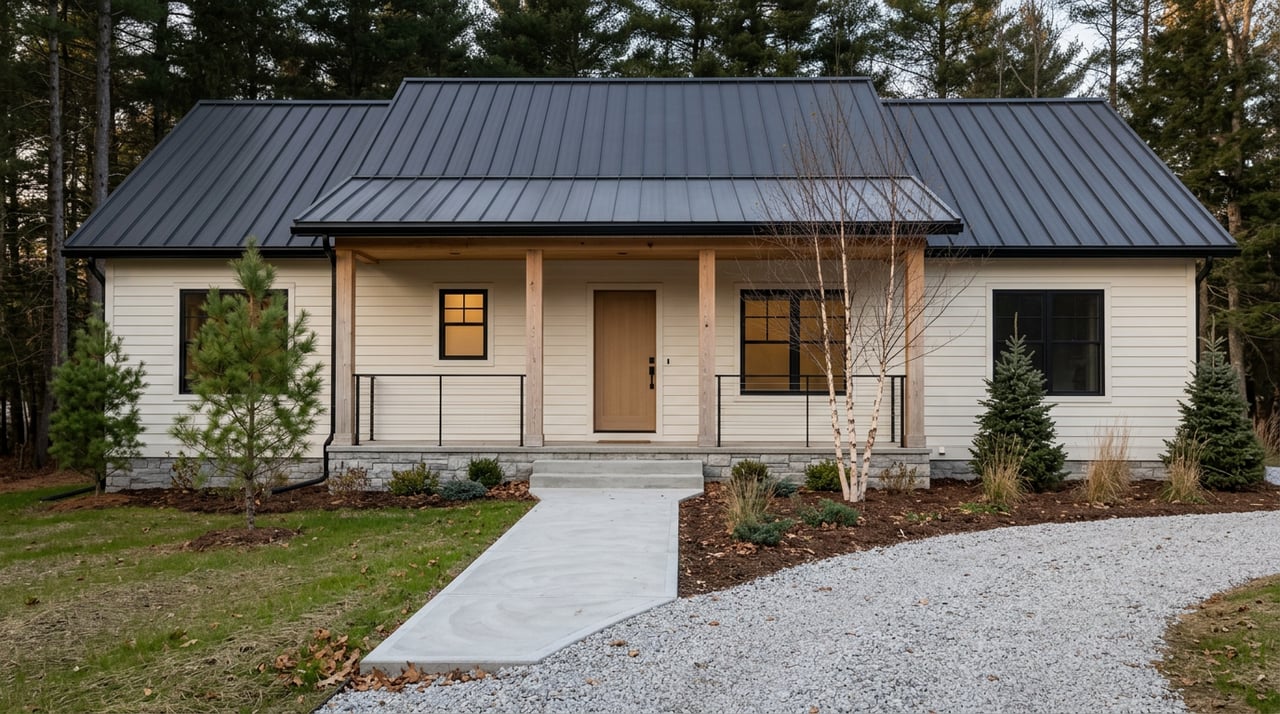
Dreaming of a place you designed near Vergas? Planning a new build in 56587 can be exciting, but the details around lots, permits, shoreland rules, and septic can feel overwhelming. With a clear plan, you can avoid delays, control costs, and move in with confidence. This guide walks you through local choices and steps so you can build smarter near Vergas. Let’s dive in.
Choose the right lot
Your first decision is where to build: in-town, on a lakeshore lot, or on rural acreage. Each option changes your budget, timeline, and permitting path.
In-town Vergas lots
In-town, platted lots often offer municipal water and sewer, which can reduce up-front site work. The City of Vergas utility fee schedule lists base rates, including a typical monthly base of $31.50 for water and $33.50 for sewer, plus accessibility and usage charges. Verify hookup availability and meter fees for any specific parcel using the city’s published schedule and staff contacts.
- Pros: Water and sewer access, simpler permitting, and predictable setbacks.
- Cons: Smaller lot sizes and local zoning rules that may affect placement and design.
If schools are part of your decision, Vergas is served by the Frazee–Vergas Public School District. Review district details on the Frazee–Vergas district page to understand programming and boundaries.
To confirm utility rates and fees, review the City of Vergas utility fee schedule.
Lakeshore and shoreland lots
Lakes are a big draw near Vergas. Shoreland properties come with added rules that protect water quality and shoreline stability. Otter Tail County administers shoreland permitting and inspections for shoreland development affecting many parcels near Vergas. Before you design your home or dock plan, verify whether your lot is in a shoreland district and what permits you need using the county’s guidance on shoreland development requirements.
- What to check: Required setbacks from the ordinary high water level, bluff and steep-slope areas, vegetative buffer rules, and limits on impervious surfaces.
- Expect reviews: Some shoreline alterations may trigger added reviews or hearings. Build these timelines into your plan.
Rural acreage outside city limits
Rural parcels offer privacy and flexibility for outbuildings. They also require more site work. If a city connection is not available, you will need a septic system and a private well. Soil conditions, wetlands, and access can all affect cost and feasibility.
- Pros: Larger lots, space for a shop, and quiet settings.
- Cons: Septic design and permitting, well drilling, potential wetland restrictions, and more site prep.
Know who issues permits
In and around Vergas, you will work with both the City and Otter Tail County. Who you contact depends on your location and project scope.
- City of Vergas: Issues in-city construction permits and manages municipal utility hookups. The city notes up to 60 days for permit approval, calculates construction-permit fees by project value ($30 per $10,000), and may double fees if work begins before a permit is issued. Review the process on the City of Vergas construction permits page.
- Otter Tail County: Administers shoreland rules and related structure permits, and handles septic permitting and inspections. For lakeshore or shoreland parcels, confirm submittals and inspections with Otter Tail County shoreland.
Tip: Before you write an offer, use the county’s Permit View feature to see past permits and potential constraints on a parcel. The county announced this tool to help the public check records quickly. Learn about it in the local coverage of the GIS Permit View feature.
Septic, wells, and soils
Septic and water are the hidden factors that can derail a rural or lakeshore build. Address them early.
- Septic (SSTS): Otter Tail County requires soil verification and a permit for new septic systems. A licensed septic designer must create your plan, and a licensed installer completes the work with required inspections. Start here for forms and steps: Otter Tail County septic permits.
- Well construction: Minnesota regulates well drilling and documentation. Your licensed driller typically handles the required state notifications and initial testing. Review owner guidance and testing basics at the Minnesota Department of Health well guidance.
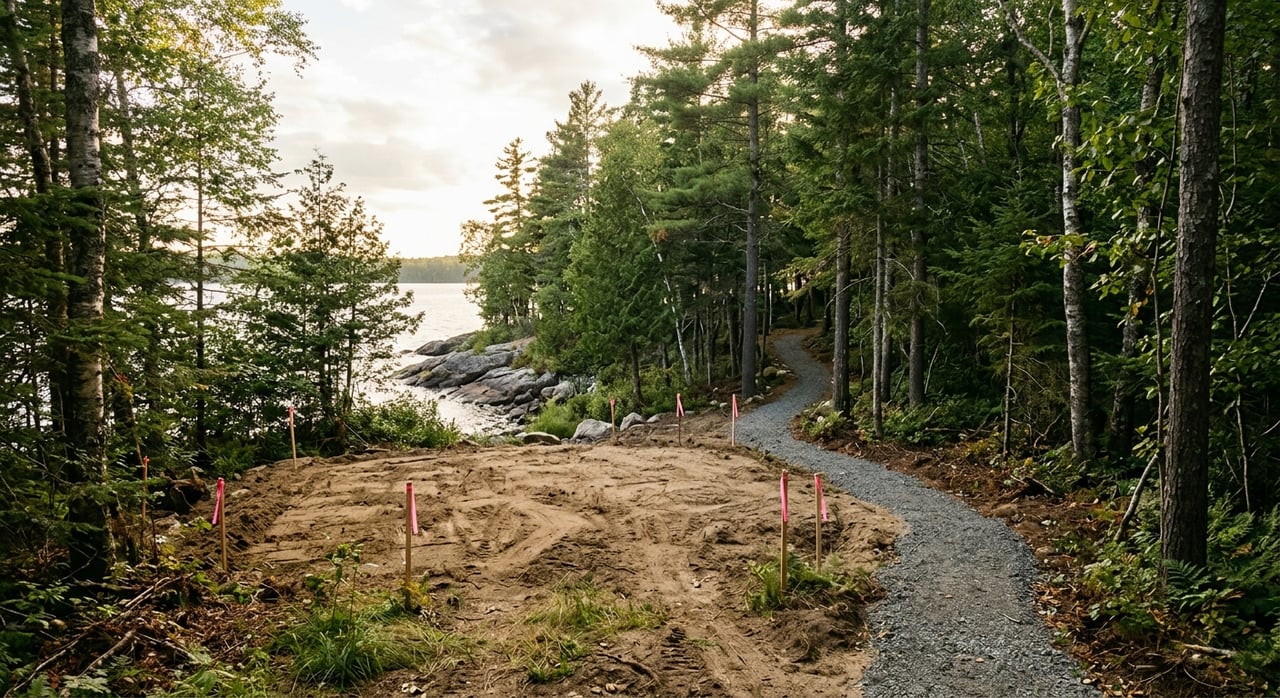
- Site survey and soils: Order a topographic survey and soil borings before closing if possible. Confirm setbacks, elevation, and any bluff or wetland areas that may affect design and cost.
Budget tip: Build a 5 to 15 percent contingency into your site budget to cover engineered septic designs, unsuitable soils, or added shoreland work.
Timeline and build types
Your build method influences speed and cost. Weather and subcontractor schedules in Minnesota also play a role.
- Site-built custom: Most flexible for design and complex sites. Takes longer on average but adapts well to shoreland setbacks and slopes.
- Modular, panelized, or factory-built: Shorter on-site time once the foundation is ready. Verify local acceptance and delivery routes if you plan to move large modules.
- Manufactured homes: May fit some rural settings but come with specific foundation and placement rules. Confirm zoning and permitting.
National reporting shows typical single-family permit-to-completion averages around 8 to 10 months, with custom homes often taking longer. Minnesota weather and rural logistics can extend timelines. Use these as a baseline and plan for 9 to 14 months from permits to move-in for a custom build. See the industry context from ProBuilder’s timeline summary.
Find and vet your builder
Choosing the right builder protects your budget and your schedule. Focus on experience, process, and accountability.
- Check recent work: Ask for references and tour completed homes. Confirm response time on warranty items and overall satisfaction. The NAHB guide to choosing a builder is a helpful checklist.
- Verify credentials: Confirm licensing, insurance, and any local association memberships. Ask about supplier relationships and subcontractor stability.
- Nail the contract: Require a clear scope, line-item allowances, a fixed or guaranteed maximum price if offered, and a written change-order process. Ask how the builder handles weather delays and owner-requested changes.
- Understand warranties: Many builders structure coverage as 1 year for workmanship, 2 years for systems, and 10 years for structural items. Get warranty documents in writing.
Finance your build
Pick a loan structure that fits your cash flow and risk tolerance.
- Construction-only loans: Short-term financing during the build with interest-only payments. You close a separate permanent mortgage at the end.
- Construction-to-permanent (single-close): One closing covers land, construction draws, and conversion to a permanent mortgage. USDA, FHA, VA, and some conventional lenders offer versions of this option with program-specific rules. Learn about single-close options and lender processes in the USDA loan processing library.
Local note: USDA eligibility can be broader than you expect in rural areas of Otter Tail County. If you are considering USDA financing, confirm parcel eligibility and connect with an approved lender early. Most lenders require a licensed, approved builder and a full builder qualification package.
Budgeting: Your lender may require a contingency reserve. Plan for 5 to 15 percent to manage change orders, material price shifts, or site surprises.
Plan your steps
Use this timeline to stay ahead of common bottlenecks.
1) Early exploration
- Compare in-town, lakeshore, and rural parcels. Check whether a city lot has water and sewer available and note the city’s utility rates with the City of Vergas utility fee schedule.
- Screen parcels with the county’s mapping tools and Permit View. Local coverage of the feature explains how to check records quickly at the GIS Permit View feature.
2) Due diligence before you buy
- Order a survey and soil testing. If shoreland rules apply, ask the county about setbacks, bluff areas, and vegetative buffer requirements. Start septic planning with Otter Tail County septic permits.
- Talk to a lender about construction-only vs single-close options. If USDA is a fit, confirm program details in the USDA loan processing library.
3) Contracts and permits
- Select a vetted builder and finalize a detailed contract with allowances and a draw schedule. Confirm the builder’s experience with shoreland or rural builds.
- Submit complete building applications to the correct authority. For in-city projects, review the city’s steps and timelines on the City of Vergas construction permits page. For shoreland and rural projects, confirm permit needs with Otter Tail County shoreland.
4) Build and inspect
- Follow the builder’s schedule and track inspections at each phase. Keep communication tight around weather windows and deliveries.
- Consider a third-party inspection before concrete placement and before drywall to add quality control.
5) Finish and move in
- Complete final inspections and obtain a certificate of occupancy.
- Confirm meter installs and final hookups with the city if you have municipal utilities.
- Gather all builder and manufacturer warranty documents before closing your permanent loan.
Local risks to plan for
- Shoreland reviews: Additional permits or hearings can add weeks or months. Confirm administration and timelines early with Otter Tail County.
- Septic and wells: Poor soils or high water tables can require engineered systems. Solve this during your inspection period with soils verification.
- Access and deliveries: Rural roads and seasonal weight limits can affect module delivery or large material drops. Plan routes and timing with your builder.
- Weather: Minnesota’s construction season is shorter. Try to schedule foundation and exterior work for spring and summer when possible.
Ready to map your build from lot search to move-in? You can get local guidance on parcels, shoreland rules, septic steps, and builder selection in one conversation. Reach out to Jason Bristlin for a straightforward plan tailored to your timeline and budget.
FAQs
What permits do I need to build in Vergas city limits?
- You will apply to the City of Vergas for construction permits and utility hookups. The city lists timelines and fees on the construction permits page.
Who handles lakeshore permits near Vergas?
- Otter Tail County administers shoreland rules and permits for many lakeshore parcels; confirm requirements on the shoreland development page.
How do I check a lot’s past permits and restrictions?
- Use Otter Tail County’s Permit View feature to see prior septic, shoreland, and structure permits. Learn about it here: GIS Permit View feature.
Do I need a septic system and a well outside city limits?
- If city services are not available, you will need a permitted septic system and a private well. Start with Otter Tail County septic permits and review MDH well guidance.
How long does a new home take to build near Vergas?
- National data shows about 8 to 10 months from permit to completion for many single-family homes, with custom builds often longer; local weather can extend this. See ProBuilder’s summary.
What are typical water and sewer costs for in-town builds?
- The city publishes base rates and charges; recent examples list a $31.50 monthly base for water and $33.50 for sewer. Confirm current numbers on the utility fee schedule.
How should I vet a local builder?
- Visit recent jobs, call references, confirm licensing and insurance, and require a detailed contract with allowances and a change-order process. Use the NAHB builder checklist as a guide.
Can I use USDA financing for a new build near Vergas?
- Many rural parcels may be eligible for USDA programs, including single-close construction-to-permanent loans through approved lenders. Review program details in the USDA loan processing library.