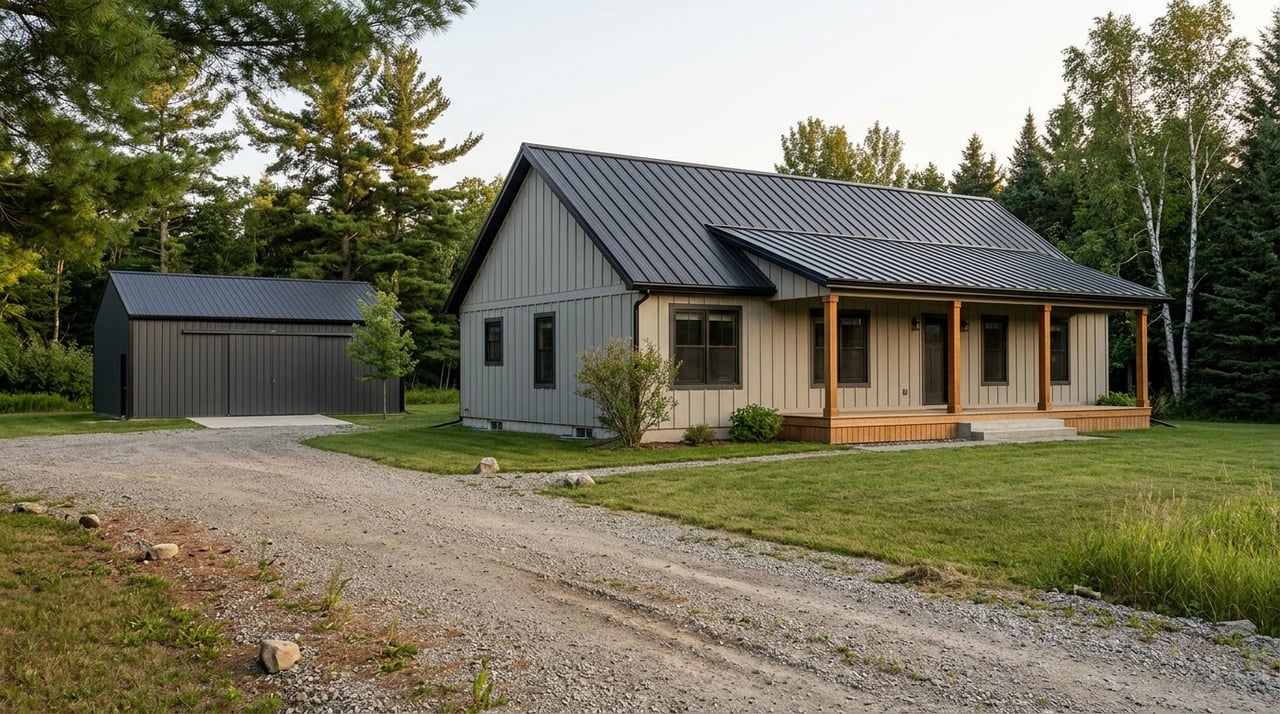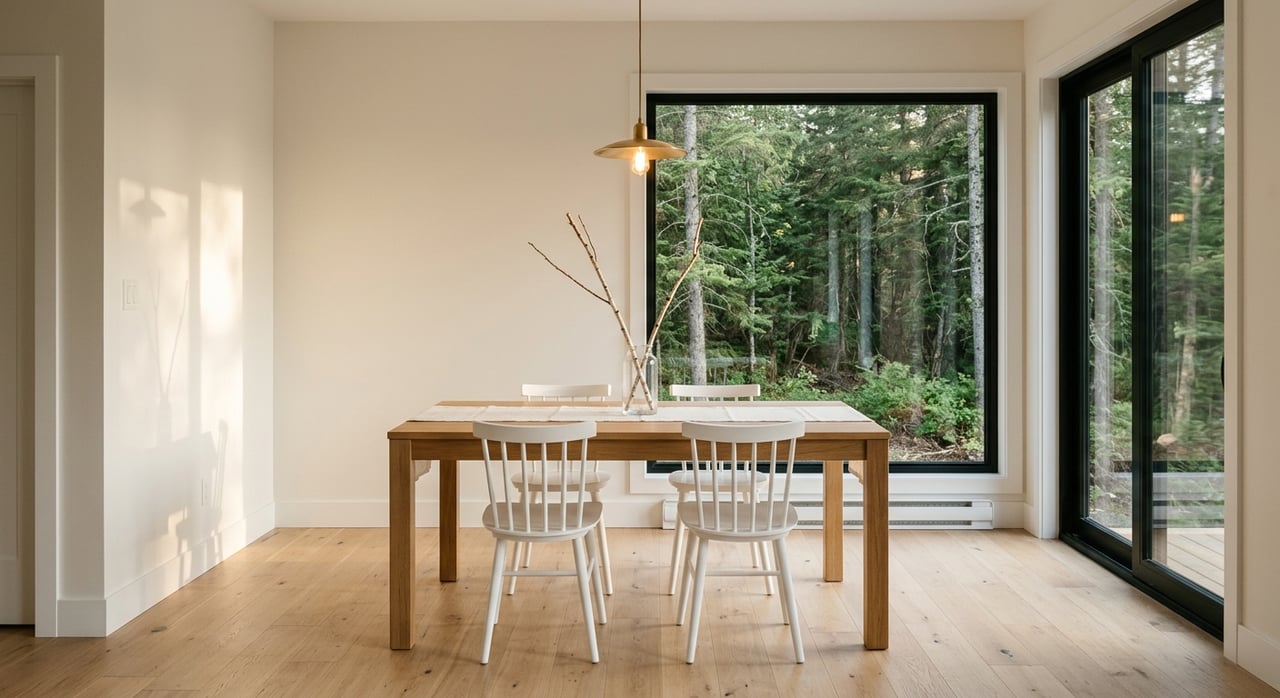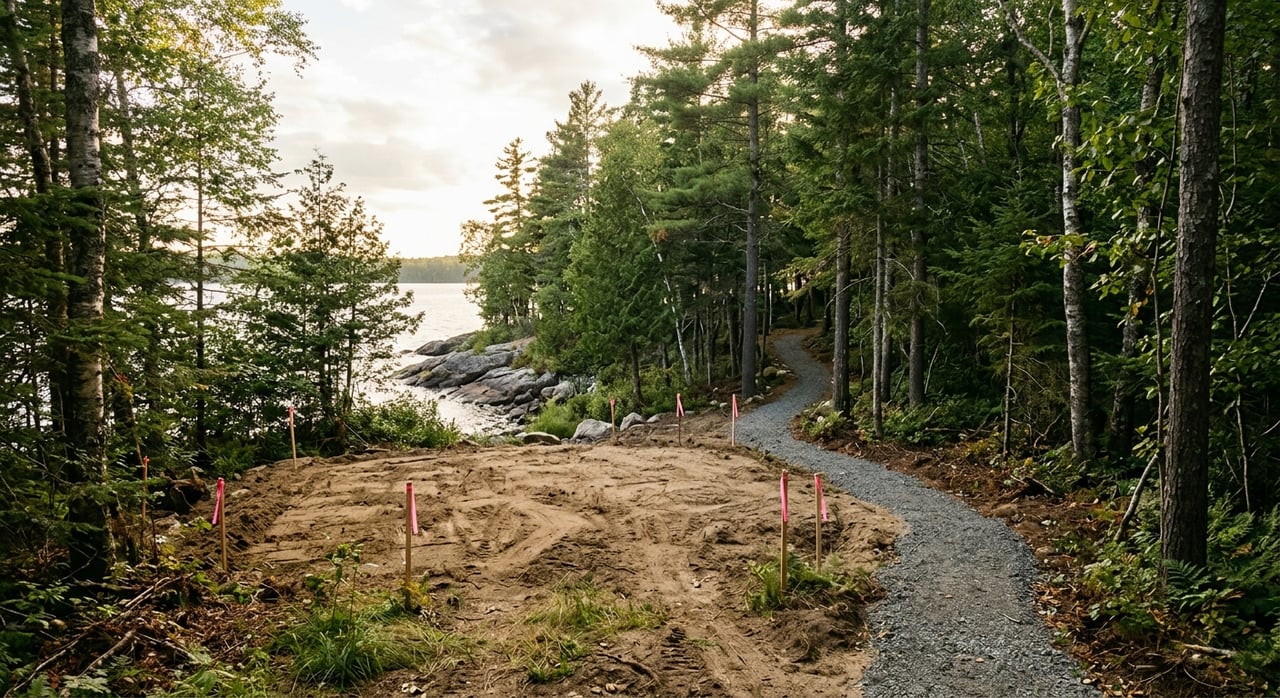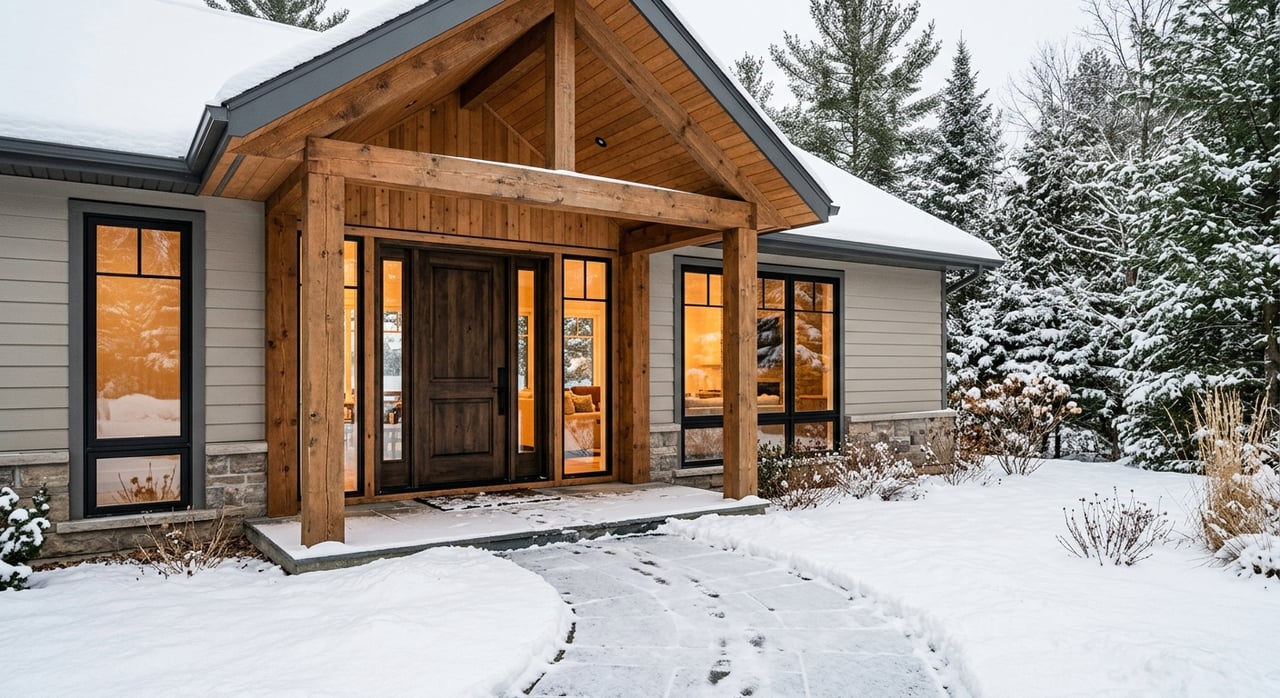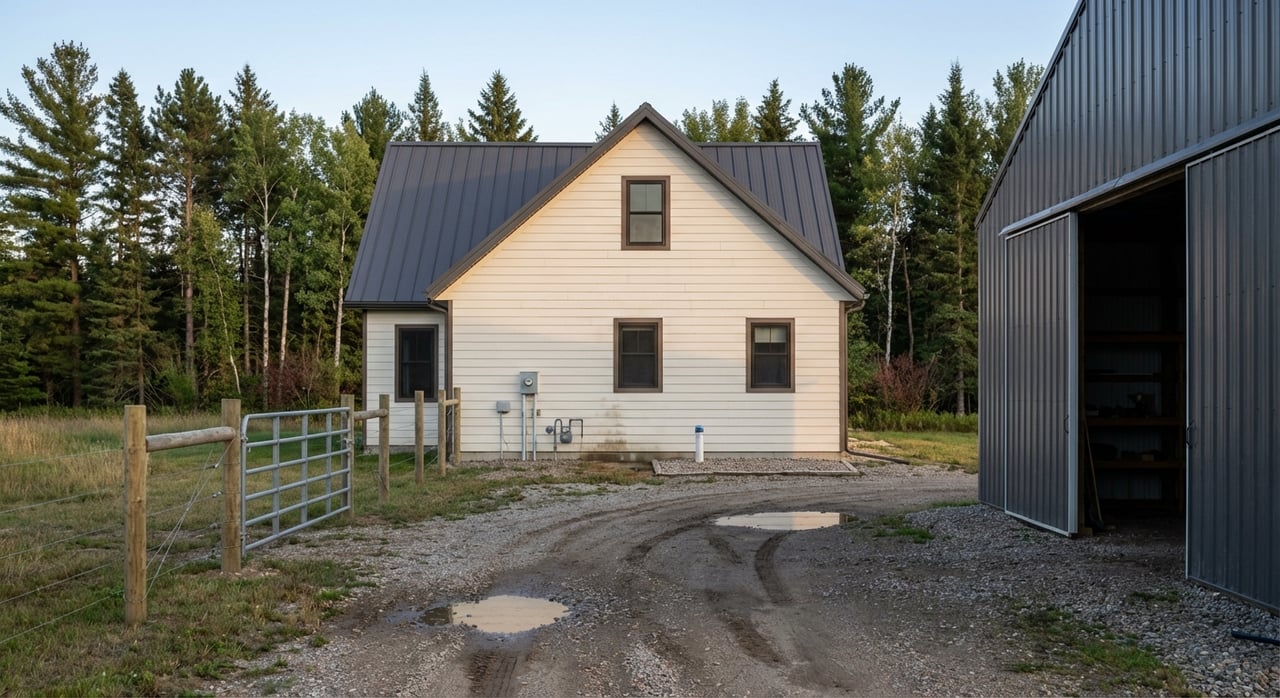
Dreaming about space for a garden, a few animals, or a big shop while staying close to Detroit Lakes? Acreage near Rochert gives you room to breathe with the convenience of town about 8 miles away. Buying rural property is different from buying in town, though, and a smart plan can save you time and money.
In this guide, you will learn how to verify buildability and services, navigate Becker County zoning and shoreland rules, and line up financing and inspections tailored to acreage. Let’s dive in.
Is the land buildable and served?
Access and legal road rights
Before you fall in love with a property, confirm how you get to it. Ask if the road is public or private and whether there is a recorded access easement if it is private. Lenders and title companies will want proof of legal access. The county can also help you confirm who maintains the road and set an E911 site address if needed. Start with the Becker County Planning and Zoning office.
Power, heat, and internet
Electric service around rural Becker County is commonly provided by Otter Tail Power. Ask whether a transformer is already on site and if any new service extension fees apply. You can confirm options with Otter Tail Power.
For heat, many acreage homes use propane or fuel oil with local delivery. For internet, availability is very address specific. Options may include DSL or cable where lines exist, fixed wireless, 5G home internet in some spots, or satellite where wired service is limited. Check address-level availability using BroadbandNow’s Detroit Lakes lookup.
Water and septic basics
Most acreage homes rely on a private well and a septic system. Minnesota requires sellers to disclose known well and septic information. As a buyer, plan for a professional well inspection plus a lab water test for coliform or E. coli and nitrate. Many lenders and local ordinances will also require a licensed septic compliance inspection and a current Certificate of Compliance. Review state and local guidance on inspections and disclosures here: septic system information for residents.
Environmental and zoning check
County permits and zoning
Rochert is unincorporated, so Becker County handles zoning and land-use permits. Setbacks, lot coverage, and allowed uses vary by district. Many rural outbuildings and larger shops need a land-use permit, and some projects may require a Conditional Use Permit. Always confirm requirements early on the county’s Planning and Zoning permits and forms page.
Shoreland, wetlands, and buffers
If the parcel is near a lake or stream, expect extra rules. Minnesota shoreland regulations generally apply within 1,000 feet of lakes and 300 feet of rivers or streams, and they add setbacks, buffers, and permits for many projects. The Minnesota DNR shoreland and buffer page is a good place to review basics and map resources.
Local permitting for shoreline work has been clarified between Becker County and watershed districts, so ask who has jurisdiction for your address. Recent coverage explains how the county and watershed districts share shoreland-permit duties. See the Detroit Lakes Tribune report on the shoreland permitting agreement.
Wetlands and impervious-surface limits can also affect where you build and how much hard surface you can add. Becker County updated how it regulates runoff and wetlands in recent years, which made some non-shoreland limits more flexible while reinforcing protections for public waters. For context, review the Tribune’s summary of changes to runoff and wetland rules.
Easements and maps
Before you write an offer, use the county parcel viewer or contact Planning and Zoning to confirm zoning, parcel size, recorded easements, prior permits, and any variances. Easements for access, utilities, or drainage can guide where you place buildings and driveways. Start with Becker County’s official site.
Financing, appraisal, and inspections
Loan options for acreage
- USDA Rural Development: Many rural parcels qualify, subject to income and site eligibility screens. Check programs and the eligibility tool at USDA Rural Development.
- VA and FHA: These can work for rural homes if the property meets Minimum Property Requirements and is primarily residential, not a commercial farm. Veterans can review MPR basics at the VA home-loans page.
- Conventional: Conventional lenders finance many acreage homes, but they will look closely at use. If the primary use is an income-producing farm, you may need a different loan product.
Always tell your lender early if you plan to keep animals, store commercial equipment, or build large outbuildings so they can confirm eligibility.
Appraisal and property use
Appraisers value acreage homes by comparable sales when the property is primarily residential with hobby-farm features like a garden, a small barn, or a shop. If the parcel operates mainly as an agricultural business, the appraisal and loan options may change. Your agent and lender can help you position the property correctly.
Inspection must-haves
Plan for a standard home inspection plus rural-specific checks:
- Septic: Licensed compliance inspection and current COC if required. If the system is old or unknown, budget for repair or replacement. See guidance on septic inspections and disclosures.
- Well: Water-quality lab test for coliform or E. coli and nitrate. Add other tests if local history suggests it.
- Site and soils: A soil evaluation can confirm septic feasibility and building-pad options. Shoreline or floodplain sites may need extra review.
Quick buyer checklist
Pre-offer confirmations
- Verify zoning, parcel size, tax ID, recorded structures, and any past permits or variances through Becker County resources. Start with Planning and Zoning.
- Check if the parcel lies within a shoreland zone or includes mapped wetlands. Review basics and mapping resources through the Minnesota DNR.
- Request seller disclosures and any well or septic records. Minnesota requires written seller disclosure for most residential sales. See Minnesota Statute 513.52.
- Confirm who provides electricity and whether line-extension costs apply. Contact Otter Tail Power.
- Check internet and cell options at the address using BroadbandNow’s lookup.
Offer contingencies to consider
- General home inspection by a licensed inspector.
- Septic: Compliance inspection and COC if required, or at minimum pumping and inspection by an MPCA-licensed pro. Use the state guidance to understand what to expect.
- Well: Lab water test and well-flow check; request any available well logs.
- Site: Soil evaluation for septic capacity and any planned outbuildings or yard expansions.
- Survey: Boundary survey if lines or shared drives are unclear.
- Title: Confirm easements, rights-of-way, and any recorded covenants.
- Financing: Get pre-approval and tell your lender your intended uses, including animals or larger shops.
Acreage buyer glossary
- SSTS or septic: Onsite sewage system regulated locally under state MPCA rules. A compliance inspection and Certificate of Compliance are common at sale. See septic system information for residents.
- OHWM: Ordinary High Water Mark. This shoreline benchmark is used to measure shoreland setbacks.
- Certificate of Compliance (COC): A local document showing a septic system met requirements at the time of inspection.
- Conditional Use Permit (CUP) or Variance: Special county approvals for uses or setbacks that are not allowed by right. Find forms at Becker County Planning and Zoning.
- Impervious surface: Any surface that does not let water soak in, like roofs and pavement. Local rules may cap coverage and require stormwater plans, especially near public waters.
Ready to explore acreage near Rochert with a clear plan? Partner with a local, process-driven advisor who knows the county steps, shoreland rules, and lender expectations. Reach out to Jason Bristlin to map your path to the right hobby-farm property.
FAQs
What permits are needed to build a pole barn in Becker County?
- Many rural outbuildings require a county land-use permit, and some projects may need a Conditional Use Permit. Start with the county’s Planning and Zoning permits page to confirm requirements for your zoning district.
How close to a lake can you build near Rochert?
- Minnesota shoreland rules generally apply within 1,000 feet of lakes and 300 feet of rivers or streams, with setbacks measured from the Ordinary High Water Mark. Review basics on the Minnesota DNR buffer and shoreland page.
Who approves shoreline projects, the county or a watershed district?
- Becker County and local watershed districts share responsibilities. The Detroit Lakes Tribune details a recent agreement clarifying shoreland permitting roles. Ask which authority applies to your address.
Can you use a USDA or VA loan to buy a hobby farm near Rochert?
- Yes, if the home is primarily residential and meets program standards. Check eligibility at USDA Rural Development and review VA Minimum Property Requirements at the VA home-loans page.
What well and septic tests should a buyer order for acreage in 56578?
- Order a lab water test for coliform or E. coli and nitrate, a well inspection, and a licensed septic compliance inspection with a Certificate of Compliance if required. See the state’s septic inspection guidance.