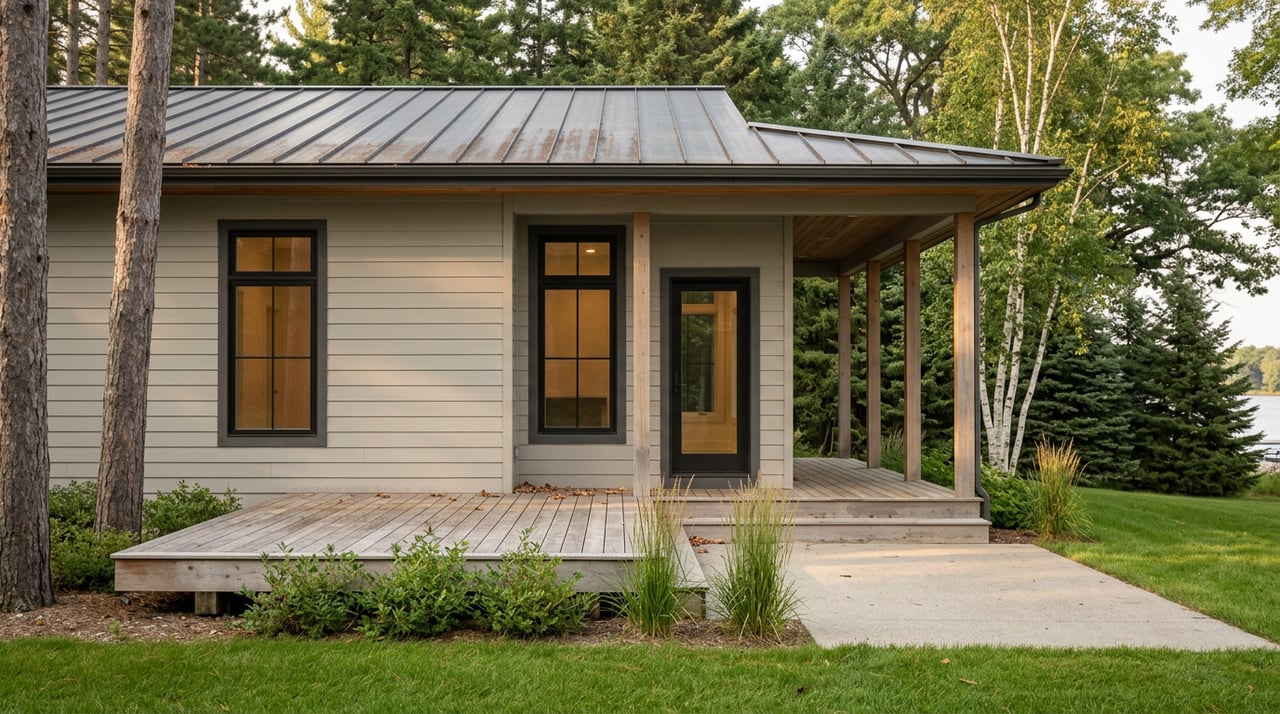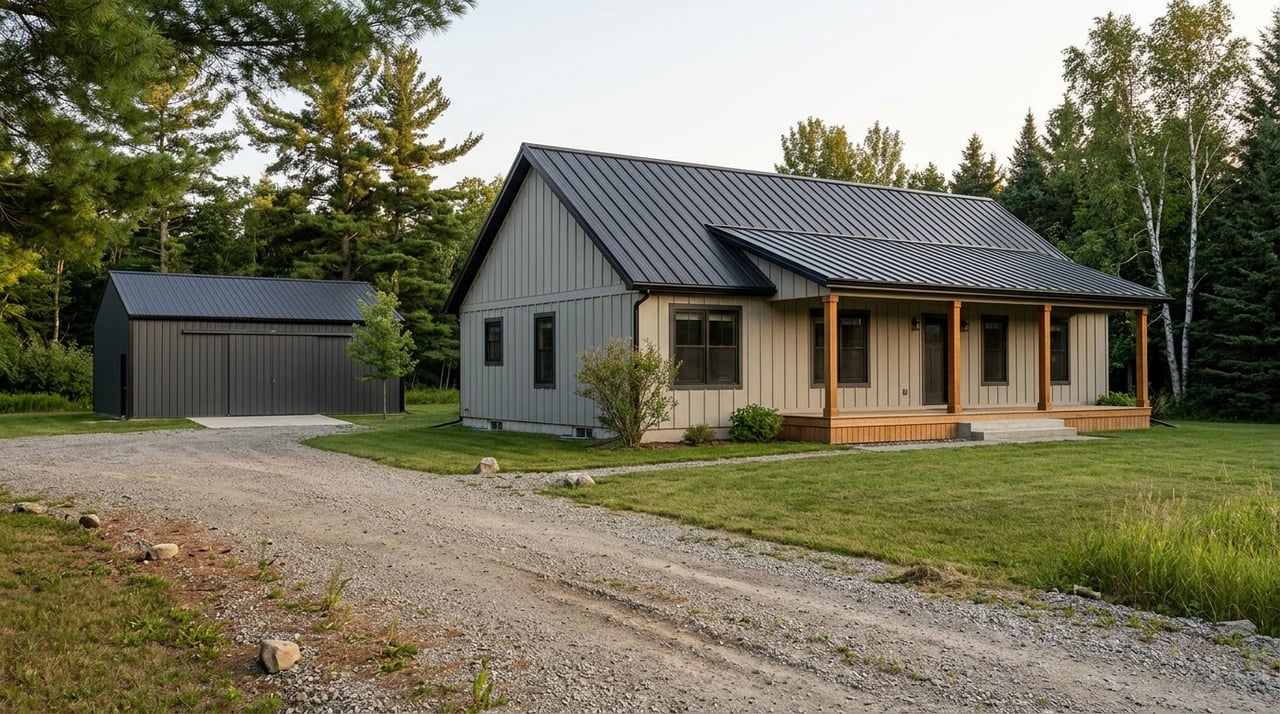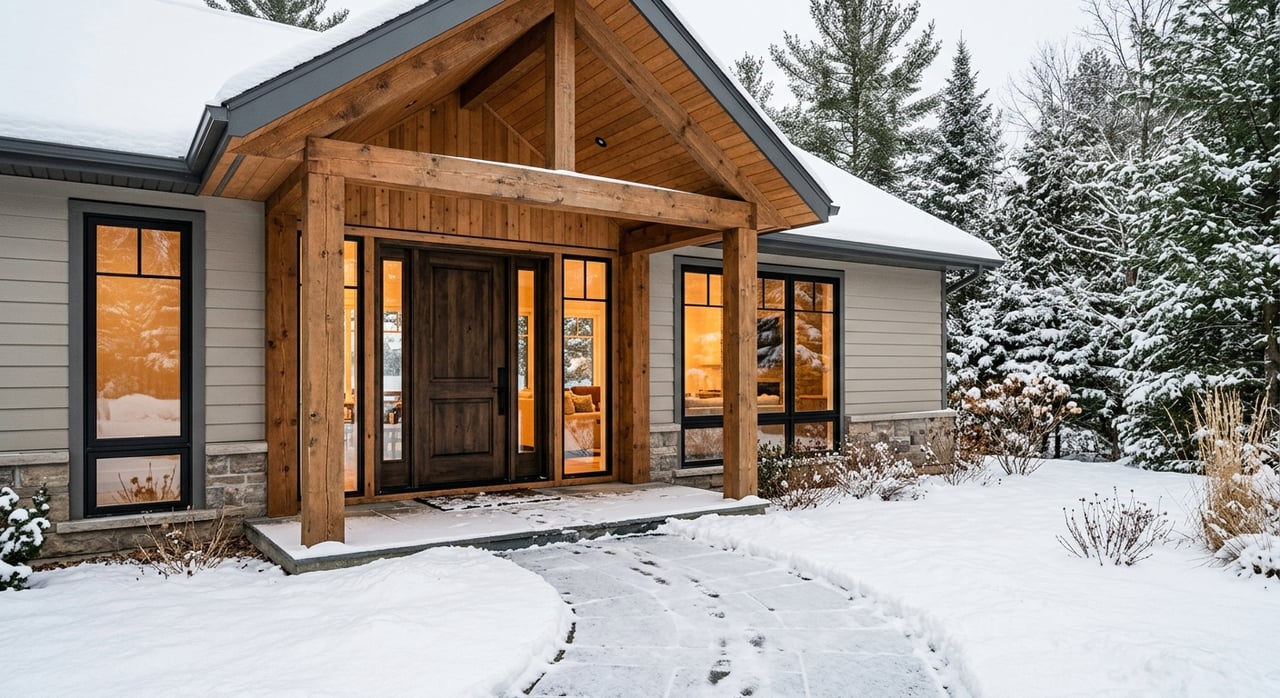
Dreaming about lake life is easy in summer. The real question is whether you would still love it in January, when the average temperature near Detroit Lakes drops to 8.6°F and snow becomes part of daily life. If you are considering year-round lake living near Audubon, you need more than a pretty shoreline view. You need a realistic picture of roads, services, recreation, and day-to-day routines. This guide will help you understand what full-time lake living around Audubon can actually look like. Let’s dive in.
Why Audubon Works for Lake Living
Audubon gives you a small-town home base in the middle of Becker County lake country. The city describes itself as about 7 miles west of Detroit Lakes, 40 miles east of Fargo, and 210 miles northwest of Minneapolis, with a population of roughly 560 residents. That location matters because it gives you access to lake life without feeling cut off from jobs, shopping, and healthcare.
If you want a quieter setting but still need practical convenience, Audubon can offer a strong middle ground. You are close to the larger service hub of Detroit Lakes, while still living in a community shaped by the outdoors. For many buyers, that balance is a big part of the appeal.
Audubon-Area Lakes Offer Variety
One of the biggest strengths of this area is how many lake options you have nearby. Visit Detroit Lakes says there are more than 400 lakes within 25 miles of the area. That means your decision is not just about buying on a lake. It is about finding the right kind of lake for the way you want to live.
Some lakes are more built up and active, while others feel quieter and less developed. In the Minnesota DNR shoreland classification list, Little Cormorant and Audubon Lake are classified as recreational-development lakes, while Bluebird is classified as a natural-environment lake. In practical terms, nearby lake experiences can vary a lot from one shoreline to the next.
That is important if you are comparing a full-time residence with a more seasonal cabin setting. A lake that feels perfect for summer weekends may not be the best fit for year-round living if access, surrounding development, or winter logistics do not match your needs.
What to Check Before You Buy
When you start looking at year-round lake homes around Audubon, it helps to compare properties through a practical lens. The Becker County public water access map and the Minnesota DNR LakeFinder tools can help you review access points, depth maps, surveys, stocking reports, and water-quality information. That kind of research can make your home search much more focused.
Here are a few smart questions to ask as you compare properties:
- Is the home on a paved or less-traveled road?
- How easy is winter access after a snowfall?
- Does the lake fit your lifestyle, such as fishing, boating, or quieter shoreline use?
- Is the property set up for full-time use, not just summer weekends?
- How far will you be from routine errands and services?
These details can make a big difference once the seasons change. A beautiful property can still be the wrong fit if daily logistics become harder than you expected.
Winter Changes Daily Life
Winter is one of the most important parts of the year-round lake living equation in Becker County. Nearby Detroit Lakes climate data shows annual snowfall of 44.8 inches, which means snow planning is not optional. It is part of the lifestyle.
Audubon’s posted snow-removal policy says the city aimed to plow all driving lanes within a 12-hour period during snowfall, with priority given to the central business district and arterial streets. Becker County says it endeavors to have all county roads open to traffic within 24 hours after a snowstorm subsides, depending on conditions. That gives buyers a useful baseline for understanding how public road access is generally handled.
Still, not every road is equal. Becker County notes that forest system roads are not plowed in winter unless they are being used for a specific project, and minimum-maintenance roads receive limited service. If you are looking at a more rustic property, road classification deserves close attention before you commit.
Year-Round Living Means Planning for Access
For many buyers, the biggest shift from seasonal use to full-time use is not the house itself. It is access and maintenance. A home can check every box in July, but year-round success often comes down to how easy it is to reach, maintain, and enjoy in every season.
That is why road type, plowing expectations, and location relative to town matter so much. If you want a primary residence, a property with simpler access may save you stress during snow season. If you are comfortable with a more rustic setup, you may be happy making that tradeoff for privacy and a quieter setting.
Recreation Does Not Stop in Winter
One of the best things about living on a lake near Audubon full-time is that the outdoor lifestyle does not end after Labor Day. It simply changes. Becker County has more than 400 miles of groomed snowmobile trails, and the broader Detroit Lakes area offers ice fishing, cross-country skiing, fat biking, tubing at Detroit Mountain, and the extensive ski trail network at Maplelag.
That gives winter a different rhythm rather than turning it into downtime. If you enjoy being outside, year-round lake living can feel active in every season. Many buyers are drawn to this area for exactly that reason.
Summer still brings the classic lake-country experiences people expect. Becker County describes the area as a place where residents can find lakes suited for fishing, waterskiing, or pontoon cruising. When you live here full-time, you get both the peak summer months and the quieter shoulder seasons that many owners come to appreciate.
Daily Errands Stay Manageable
A common concern with lake living is whether everyday life will become inconvenient. Around Audubon, the answer is often no, as long as you understand the setup. Audubon describes itself as a close-knit community with quick access to nearby centers of commerce, and that usually means routine errands happen in Detroit Lakes.
Detroit Lakes offers a broader shopping base, including historic downtown stores, Washington Square Mall, and the long-running Shady Hollow Flea Market. So while Audubon itself is small, you are not isolated. You are choosing a quieter home base with nearby regional support.
That can be a very workable pattern for full-time residents. Many people find that the short drive to services is a fair trade for the space, scenery, and lifestyle that come with lake living.
Local Amenities Add to the Lifestyle
Audubon also offers local places that support day-to-day enjoyment close to home. The city has a park along with baseball and softball fields. The Lake Park Audubon Nature Area includes walking paths, wetlands, natural growing areas, and learning spaces.
These kinds of amenities matter because year-round living is about more than your lot lines. It is also about having places nearby where you can walk, explore, and spend time outdoors through the seasons. In a small community, those simple features can add real quality of life.
Schools and Healthcare Matter Year-Round
If you are planning a primary residence, services beyond recreation should be part of your decision. Lake Park Audubon Elementary is located in Audubon and serves kindergarten through sixth grade, while the district high school is in Lake Park. The district also offers community education, and its transportation information reflects how Audubon and nearby communities function as a connected small-town network.
Healthcare access is another practical strength of the area. Essentia Health St. Mary’s-Detroit Lakes is a 36-bed hospital and Level III trauma center with a 24-hour emergency room and on-site pharmacy. Sanford Health’s Detroit Lakes clinic offers primary care, walk-in care, surgical services, and multiple specialties.
For year-round homeowners, those nearby services can be just as important as the shoreline itself. Convenience, support, and peace of mind all matter when you are deciding whether to make lake life your full-time reality.
The Real Tradeoff of Full-Time Lake Life
The Audubon area offers a compelling version of year-round lake living, but it comes with tradeoffs you should understand clearly. You get strong recreation access, a scenic daily setting, and proximity to Detroit Lakes. In return, you accept seasonal rhythms, winter maintenance, and occasional weather-related slowdowns.
For many buyers, that tradeoff is worth it. The key is being honest about how you want to live. If you want a more outdoor-centered routine and you are comfortable planning around weather and access, the Audubon-area lakes can be a very strong fit for a full-time home.
How Jason Bristlin Helps You Buy Smarter
When you are comparing lake homes, cabins, or year-round properties around Audubon, local knowledge matters. Small differences in lake type, road access, and location can have a big impact on how a property lives in every season. That is where a process-driven local guide can help you avoid costly surprises.
Jason Bristlin brings Detroit Lakes area expertise, a steady hands-on approach, and deep understanding of lakes-country properties. Whether you are looking for a full-time lake home, a recreational property, or land with long-term potential, he can help you evaluate the details that matter most. If you are ready to explore year-round lake living near Audubon, connect with Jason Bristlin for a consultation.
FAQs
What is year-round lake living like near Audubon, Minnesota?
- Year-round lake living near Audubon combines small-town living, access to nearby services in Detroit Lakes, and four-season outdoor recreation, with winter weather and road maintenance playing a major role in daily routines.
What should buyers check before purchasing a lake home near Audubon?
- Buyers should review road access, plowing expectations, lake type, distance to services, and whether the property is set up for full-time use rather than only seasonal occupancy.
Are Audubon-area roads maintained during winter?
- Audubon says it aimed to plow all driving lanes within 12 hours during snowfall, and Becker County says it endeavors to have county roads open within 24 hours after a storm subsides, though some forest roads and minimum-maintenance roads receive limited winter service.
What kinds of lakes are near Audubon, Minnesota?
- The area includes a wide variety of lakes, with some nearby lakes such as Little Cormorant and Audubon Lake classified as recreational-development lakes, while others such as Bluebird are classified as natural-environment lakes.
Are services and healthcare accessible from Audubon?
- Yes, Audubon is close to Detroit Lakes, where you can find broader shopping options, a hospital with a 24-hour emergency room, an on-site pharmacy, and additional clinic-based care and specialties.
Is Audubon a good place for a full-time lake home?
- Audubon can be a strong fit for a full-time lake home if you want a quieter setting near Detroit Lakes and are comfortable with the seasonal realities of winter weather, snow removal, and small-town logistics.